Thursday 3 September 2026
TRAUMALITY Screening at the Tavistock Centre & North London NHS Trust
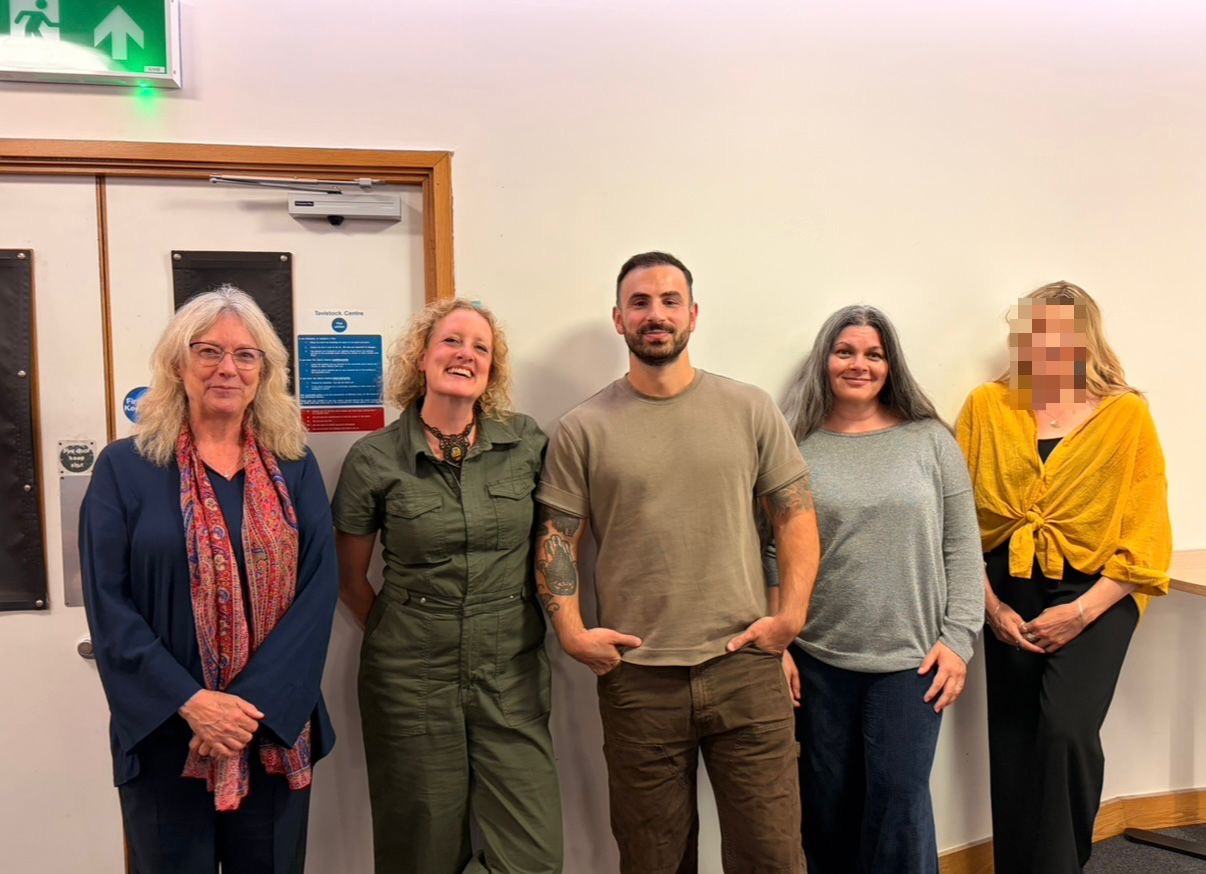
Last night, TRAUMALITY was screened at the Tavistock Centre for healthcare professionals, people working across the NHS and people with lived experience of trauma.
The evening was organised and hosted by Dr Joanne Stubley, lead clinician of the Tavistock Trauma Service. After a short introduction from Jo, we went straight into the film.
Following the screening, Joanne hosted a Q&A with Dr Susanna Petche, Dr Graham Music, Sophie Olson and me, all of whom appear in the documentary.
A purposeful step inside the system
For me, this screening carried a weight that went far beyond a single event. Like many people, I went to my NHS GP with the effects of trauma and left with a diagnosis that never once asked about my history. The trauma was missed. The symptoms were named, but the cause was never explored. That experience is exactly why TRAUMALITY exists.
To bring a film about the link between trauma and mental health diagnoses into an NHS trust — the same system where so many of us have been misunderstood — felt like a deeply purposeful step. It was not just a screening; it was a conversation brought into the very place that most needs to have it.
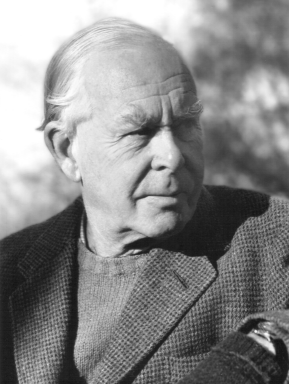
The Tavistock and Portman NHS Foundation Trust is one of the most respected mental health institutions in the country. It is also where John Bowlby — the psychiatrist who developed attachment theory — spent much of his career. To bring a film about trauma into the very building where our understanding of early relationships and emotional development was shaped felt significant in itself. To stand inside it with healthcare professionals, NHS workers and people with lived experience, discussing what trauma-informed care could look like, was a reminder that change is possible when people are willing to listen.
This is only the beginning. My hope is to take TRAUMALITY into more NHS trusts, more clinical settings and more rooms where the people making decisions about mental health care can hear directly from those who have lived through the gaps in that care.
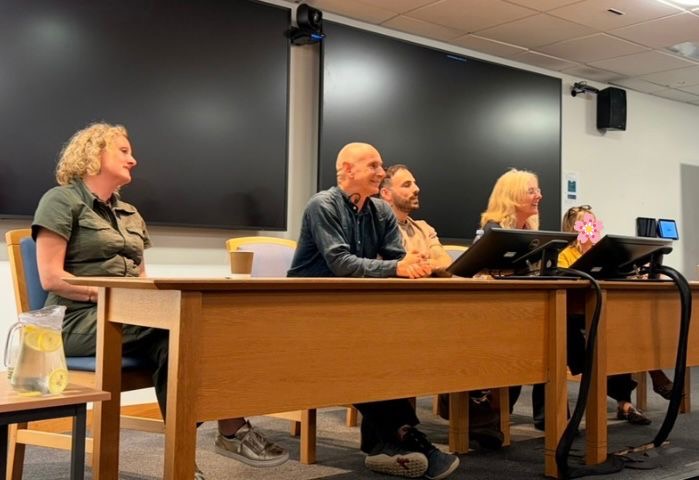
The discussion wasn’t only about the film. It was about what our understanding of trauma should lead us to do differently within healthcare and beyond it.
“Us” and “them”
One of the most important conversations was about the divide that can exist between healthcare professionals and people with lived experience. We often speak about these as two separate groups, “us” and “them”, but they are not always separate at all.
Some healthcare professionals carry both clinical expertise and their own lived experience. That experience can bring a deeper understanding of the people they support, yet it may not always feel safe to disclose. There can be a fear of being viewed as less capable, unfit to practise or of it affecting future career opportunities.
How do we begin to close that gap?
This isn’t about expecting people to disclose their experiences. It is about creating healthcare cultures where lived experience is respected and valued, rather than treated as a professional weakness. And it starts with each individual.
Sophie Olson, founder of The Flying Child, brought both her personal experience and her work supporting survivors of child sexual abuse into the discussion. Her contribution demonstrated exactly why survivor voices need to be present in these spaces. Without them, systems risk continuing to speak about people rather than listening to them, and missing what survivors actually need.
Why I made the film
I was also asked about my own experiences and what ultimately led me to make TRAUMALITY. Although the film begins with parts of my story, its purpose has always been much bigger than that. I wanted it to help people see trauma differently and begin conversations that might not otherwise happen.
The response to the screening was incredibly positive. People working within the Tavistock told us that the film had deepened their understanding of trauma. Hearing that from professionals already working in this field meant a great deal to me.
I really enjoyed speaking with those who attended afterwards. We had some deeply interesting conversations about the things they are going through — the parts they are struggling with — but also the hope they carry for the future. I want to commend the people working on the frontlines, supporting clients and patients every day. It is not easy work, and the willingness to keep showing up, to keep learning and to keep listening matters enormously.
What now?
TRAUMALITY was created as a tool for awareness, but awareness cannot be where this ends.
The hope is that people take what they have understood back into their workplaces, communities, friendships and families. That might mean changing the way we speak to our children, learning the importance of rupture and repair, responding more compassionately to a colleague, making space for lived experience or becoming the kind of leader who helps people feel safe rather than judged.
Yes, systems need to change. But each of us can also begin applying trauma-informed understanding within the relationships and environments we are already part of.
Thank you to Dr Joanne Stubley for organising and hosting the evening, to Dr Susanna Petche, Dr Graham Music and Sophie Olson for contributing to such an important discussion, and to everyone who attended with openness and curiosity. I hope this is the first of many screenings inside NHS trusts, because these are the rooms where the conversation can no longer wait.
This was exactly the kind of room TRAUMALITY was created to enter. Now comes the most important part: what we do with it.
0 comments
Join the conversation
Loading comments…