Friday 6 November 2026
Traumality Enters a Formal Impact Evaluation
Documentaries often claim to raise awareness. Measuring what that awareness actually changes is far harder. To find out whether Traumality creates genuine, measurable shifts in understanding, the film is now the subject of a formal impact evaluation.
Why awareness is not enough
When director Ton Mazzone set out to make Traumality, the aim was never simply to produce a documentary that audiences reflect on briefly and leave behind. The focus was to challenge long-held misunderstandings about human behaviour, dismantle stigma around childhood adversity and give viewers a practical understanding of how stress shapes the nervous system.
Yet the impact of a film is usually judged on anecdote. A screening lands with an engaged room, people leave visibly moved, and change is assumed to have happened. Whether a film alters how a professional, a parent or a survivor responds in high-stress moments the following day has rarely been tested under academic scrutiny.
"If we want public systems and institutions to treat trauma differently, we have to hold our own work to the highest standard of evidence. Warm reactions in a cinema are encouraging, but real change happens in how people respond when they walk back into their workplaces and homes." Ton Mazzone
Working with Dr Asha Patel
The evaluation is being run with Dr Asha Patel, clinical psychologist, founder of Innovating Minds and one of the voices in the film. Her work focuses on making psychological support accessible in schools and communities, and she consistently stresses the importance of data.
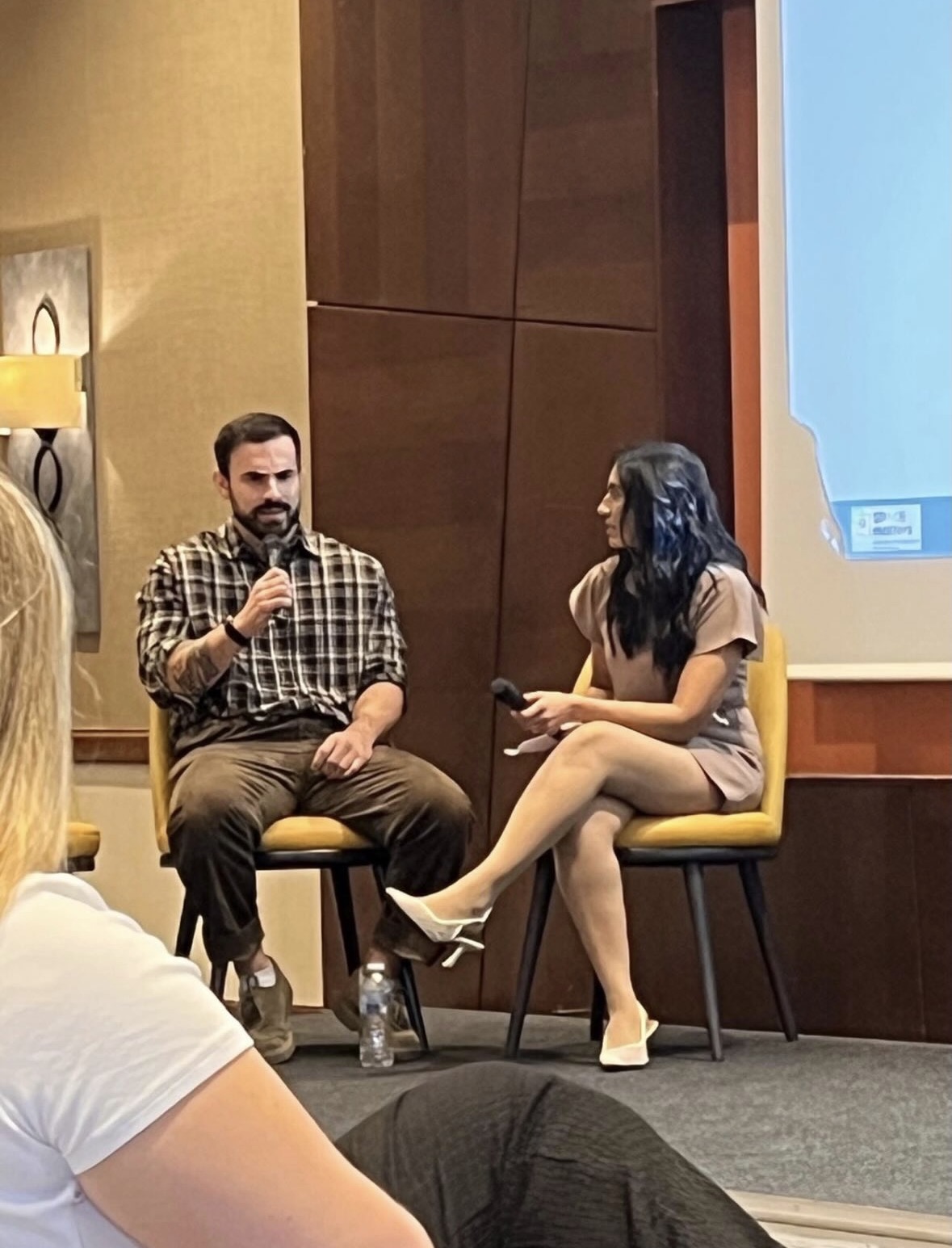
On stage at SPACE Matters in Kent last month, Asha put a question to Ton that has stayed with the project ever since.
"Have you seen what the work you've done with Traumality has created?" Dr Asha Patel
The evaluation is, in part, an attempt to answer that question properly, and to supply the kind of evidence Asha has spent her career arguing for. Clinicians who have hosted screenings, including Dr Joanne Stubley at the Tavistock Centre, have seen first-hand how the film opens conversations inside services. Turning those conversations into lasting change needs more than goodwill. Commissioners, school leaders and health trusts need evidence before they invest in new ways of working.
What the evaluation is looking at
Viewers are invited to take part in a short evaluation before and after watching. The detail stays private to protect the findings, but the evaluation broadly explores:
- How people understand childhood trauma and its effects on the brain and body.
- Whether common misconceptions about trauma begin to shift.
- Whether viewers feel more confident supporting someone affected by trauma.
- What people intend to do differently after watching.
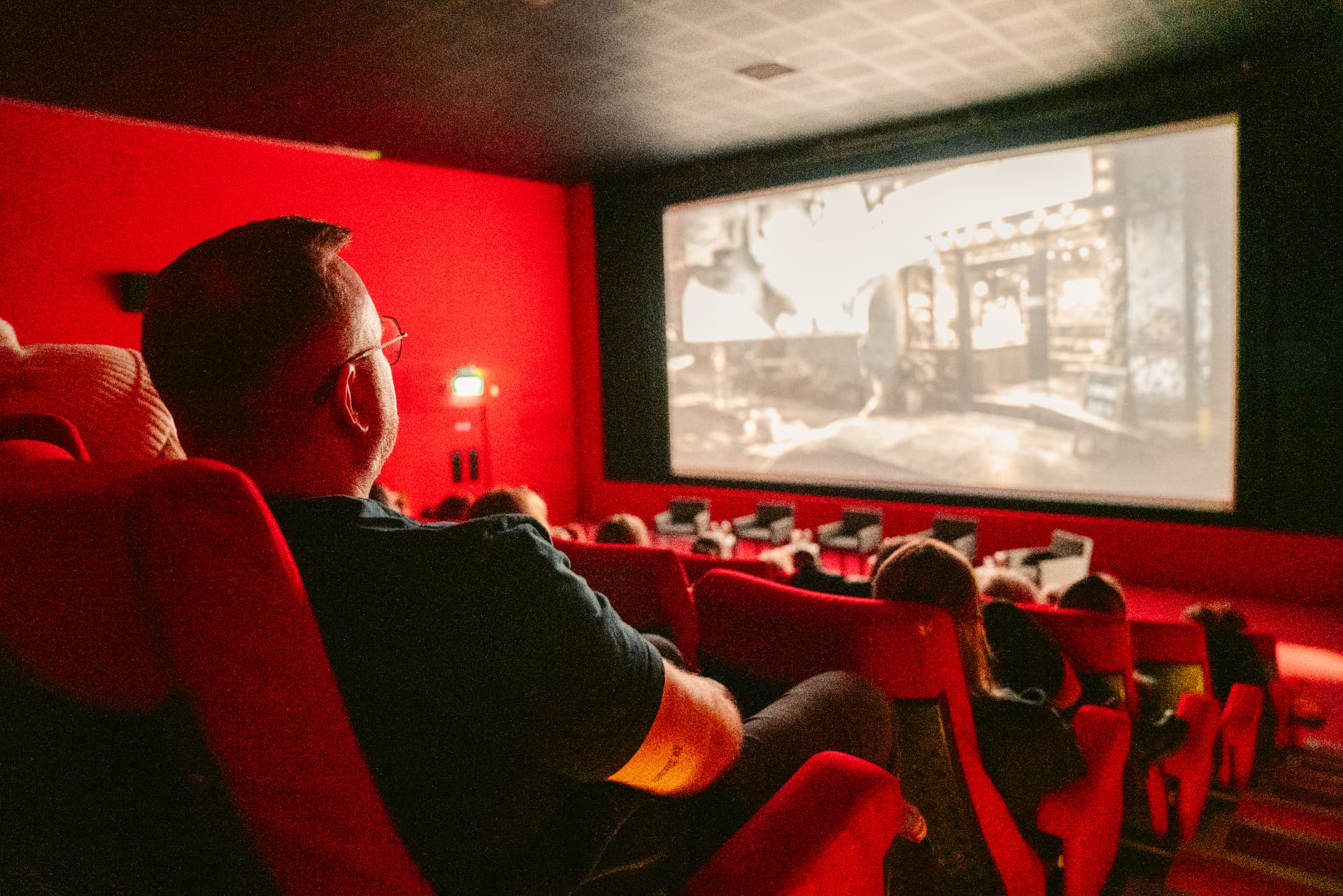
"Training manuals and slide decks often struggle to cut through. Storytelling reaches people in a different way. This evaluation is about seeing whether that translates into real, measurable change." Ton Mazzone
Why the evidence matters
Public services are under huge strain. Frontline staff in health, education, policing and social care are often meeting complex distress with little specialist support, while survivors frequently describe feeling misunderstood by the very systems meant to help them.
Much professional training still treats trauma as a checklist of symptoms. Traumality approaches it from the inside out: through biology, lived experience and the understanding that repair is possible at any age. If the data shows that a film can measurably shift understanding and confidence, it opens a new route for how organisations train their people.
What happens next
Findings will be shared once data collection ends and the analysis is complete. Until then, everyone who completes the evaluation in the screening room is helping to build that evidence.
Awareness is where change begins. Evidence is how it spreads.
Watch online
See the film for yourself
Stream TRAUMALITY wherever you are. Your 7 days start when you press play, with subtitles in 23 languages.
Watch the filmHost a screening
Bring it to your community
Anyone can host a screening, in a local cinema, hall, workplace or living room. We provide the licence, the film and a discussion guide.
Host a screening0 comments
Join the conversation
Loading comments…