Friday 20 November 2026
We Need a National Trauma Strategy for England: Traumality at the House of Lords
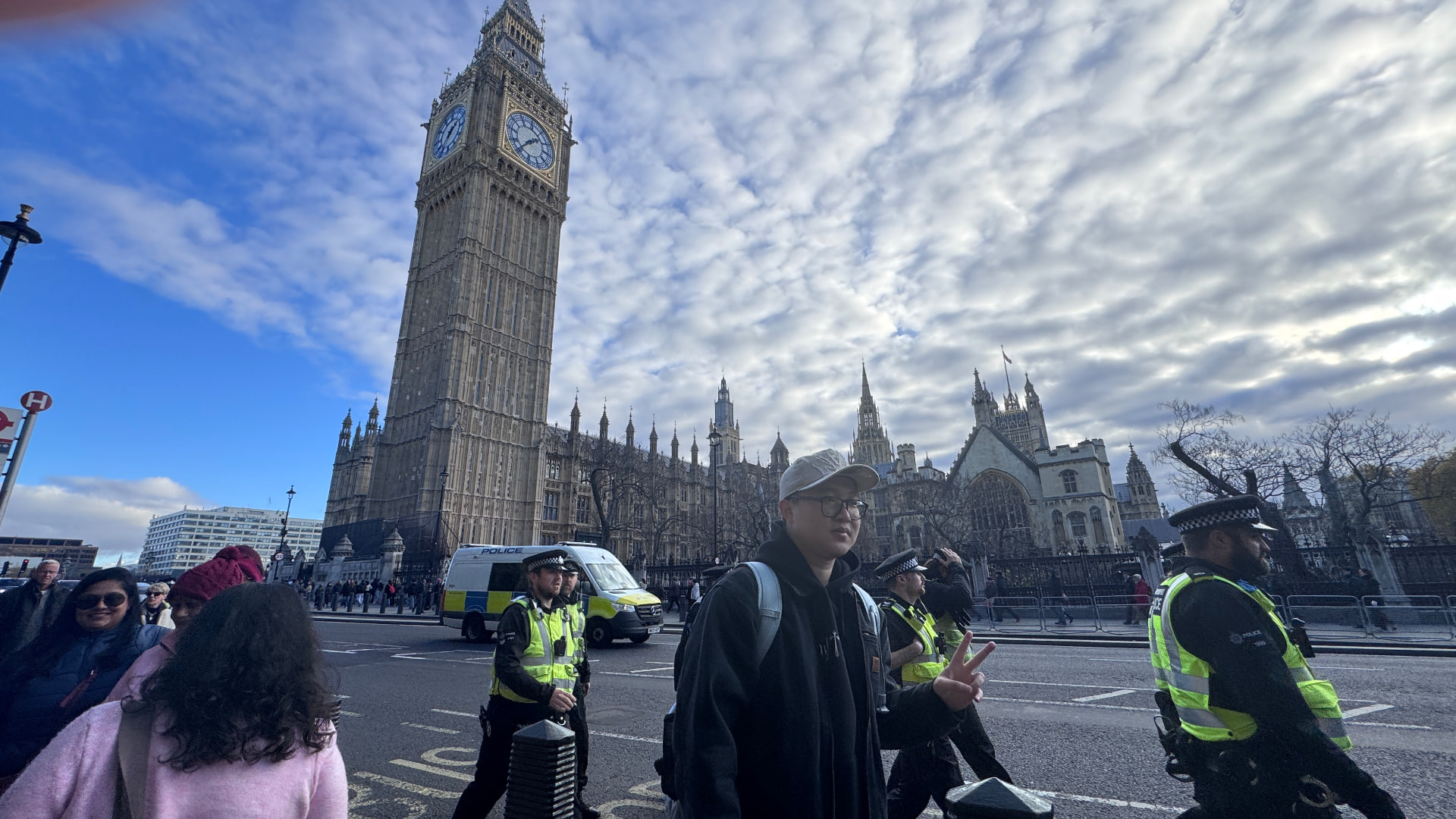
How do we change the system to improve recovery from childhood trauma? That was the question on the agenda in Committee Room 2 at the House of Lords this morning, at a roundtable hosted by the Institute of Recovery from Childhood Trauma (IRCT).
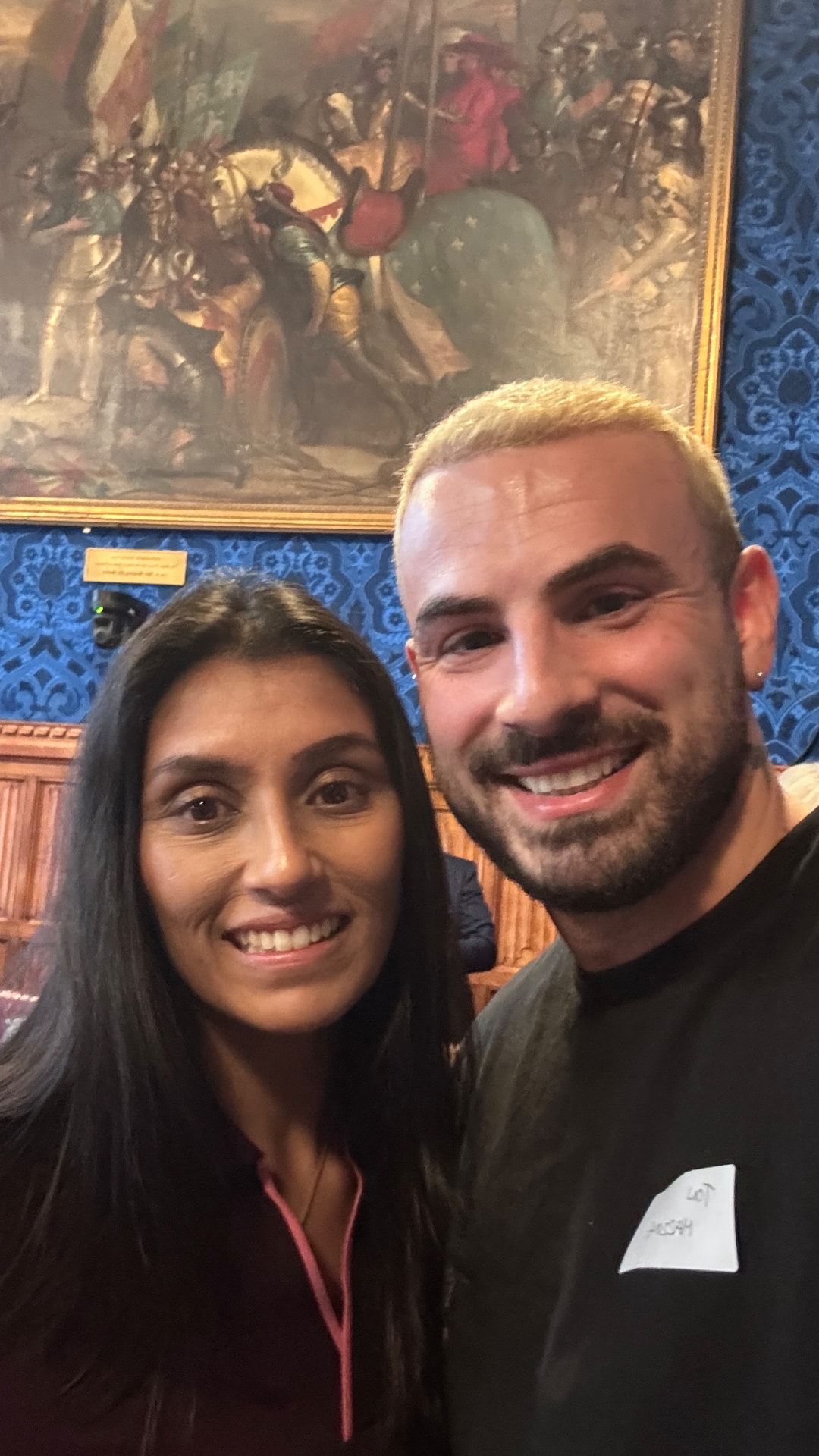
I was invited to attend as director of Traumality, alongside people who have spent years doing this work in very different settings. It was a privilege to be in the room, and to share it with familiar faces: Dr Asha Patel and Julie Harmieson, who both appear in the film, and Dr Jo Stubley, who hosted a screening of Traumality for NHS clinicians at the Tavistock Centre.
The morning
The roundtable opened with a welcome from Baroness Gerada and Sylvia Duncan, Chair of IRCT. The discussion built on IRCT's recent briefing paper, The Case for a National Trauma Strategy for England.
A series of short presentations followed, from Sarah Darton, IRCT Trustee; Nicola Rushent, Lived Experience Lead at Trauma Informed Surrey and NE Hants; Dr Warren Larkin, Clinical Psychologist at Warren Larkin Associates; Dr Claire Agius, Lecturer in Psychology at Manchester Metropolitan University, IRCT Trustee and adoptive parent; and Dr David Trickey, Consultant Clinical Psychologist and Co-Director of the UK Trauma Council.
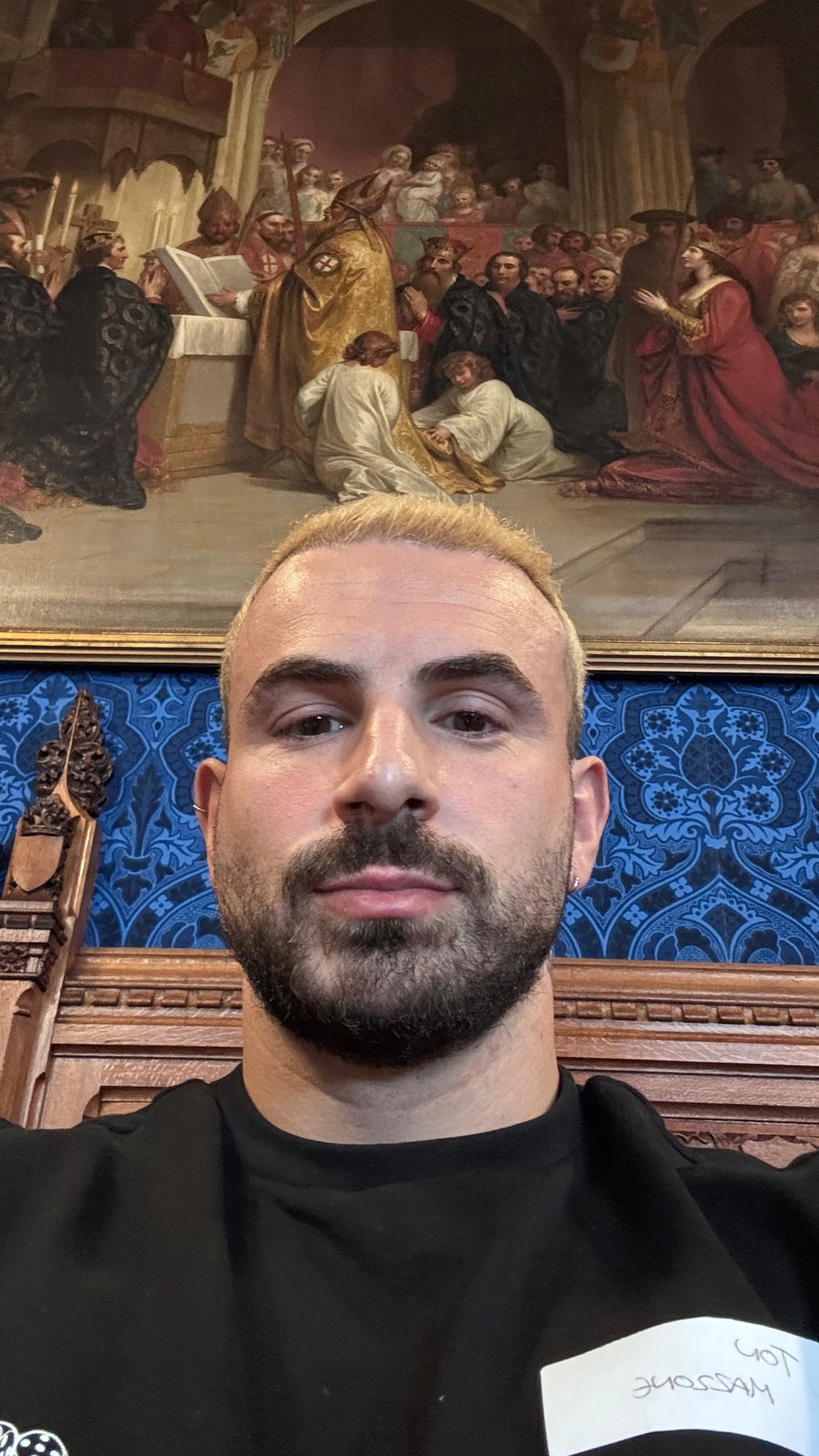
Who was in the room
What stood out was the range of experience around the table. There were clinical psychologists and psychiatrists, researchers and university lecturers, leaders of children's charities and family services, people working in youth justice and schools, foster care providers, and those with lived experience of childhood trauma. Many of them work on the same problem from different directions, and rarely get the chance to sit in the same room.
“What would services and systems look like if they were working well? What do we need to do to get there?”
What needs to happen next
Those two questions framed the discussion that followed the presentations. There was healthy debate, and the room ultimately agreed that what is needed is a trauma-informed society. There was also broad agreement on the importance of developing a National Trauma Strategy for England, with a shared willingness to collaborate and contribute to taking that work forward.
A great deal of insight was shared, but insight on its own is not enough. It needs to reach the right people, backed by a solid strategy. England does not have to start from scratch: Scotland and Wales have already done significant work towards becoming trauma-informed nations, and there is a lot we can learn from them.
The call to action
The call to action at the end of the day was clear: becoming trauma-informed. That is our aim at Traumality too. The challenge now is turning a morning of conversation into collective action that can shape policy, strengthen practice and improve the experiences of children, families and adults affected by trauma.
Thank you to IRCT for the invitation and for bringing everyone together, to Baroness Gerada and Sylvia Duncan for hosting, to each of the speakers, and to everyone who contributed so thoughtfully to the discussion.
Watch online
See the film for yourself
Stream TRAUMALITY wherever you are. Your 7 days start when you press play, with subtitles in 23 languages.
Watch the filmHost a screening
Bring it to your community
Anyone can host a screening, in a local cinema, hall, workplace or living room. We provide the licence, the film and a discussion guide.
Host a screening0 comments
Join the conversation
Loading comments…