Thursday 15 October 2026
TRAUMALITY at SPACE Matters: Shining a Light on Kent's Trauma-Informed Movement
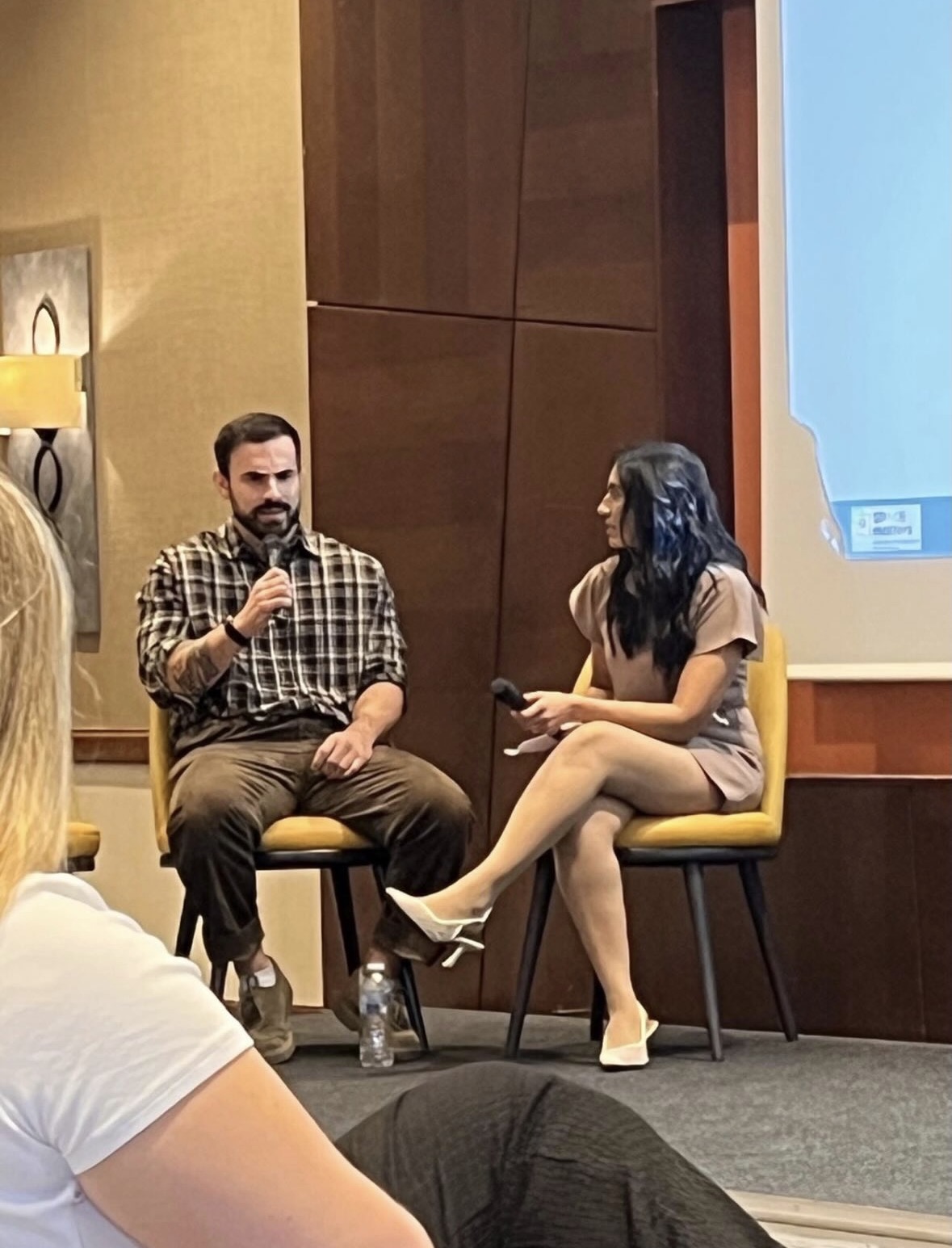
"Have you seen what the work you've done with Traumality has created?" Dr Asha Patel put that question to director Ton Mazzone on stage at SPACE Matters, and it became the thread running through the whole day.
On Tuesday 13 October, Ton Mazzone attended the fifth SPACE Matters: Trauma & Healing Centred Approaches conference at Ashford International in Kent. Hosted by Kent County Council Public Health, the day brought together more than 200 practitioners from across agencies to explore trauma-informed and healing-centred approaches in Kent and Medway.
The room reflected how wide this work now reaches: people from health, education, social care, community services and the voluntary sector, many of whom meet the effects of trauma daily, whether or not it appears in their job title.
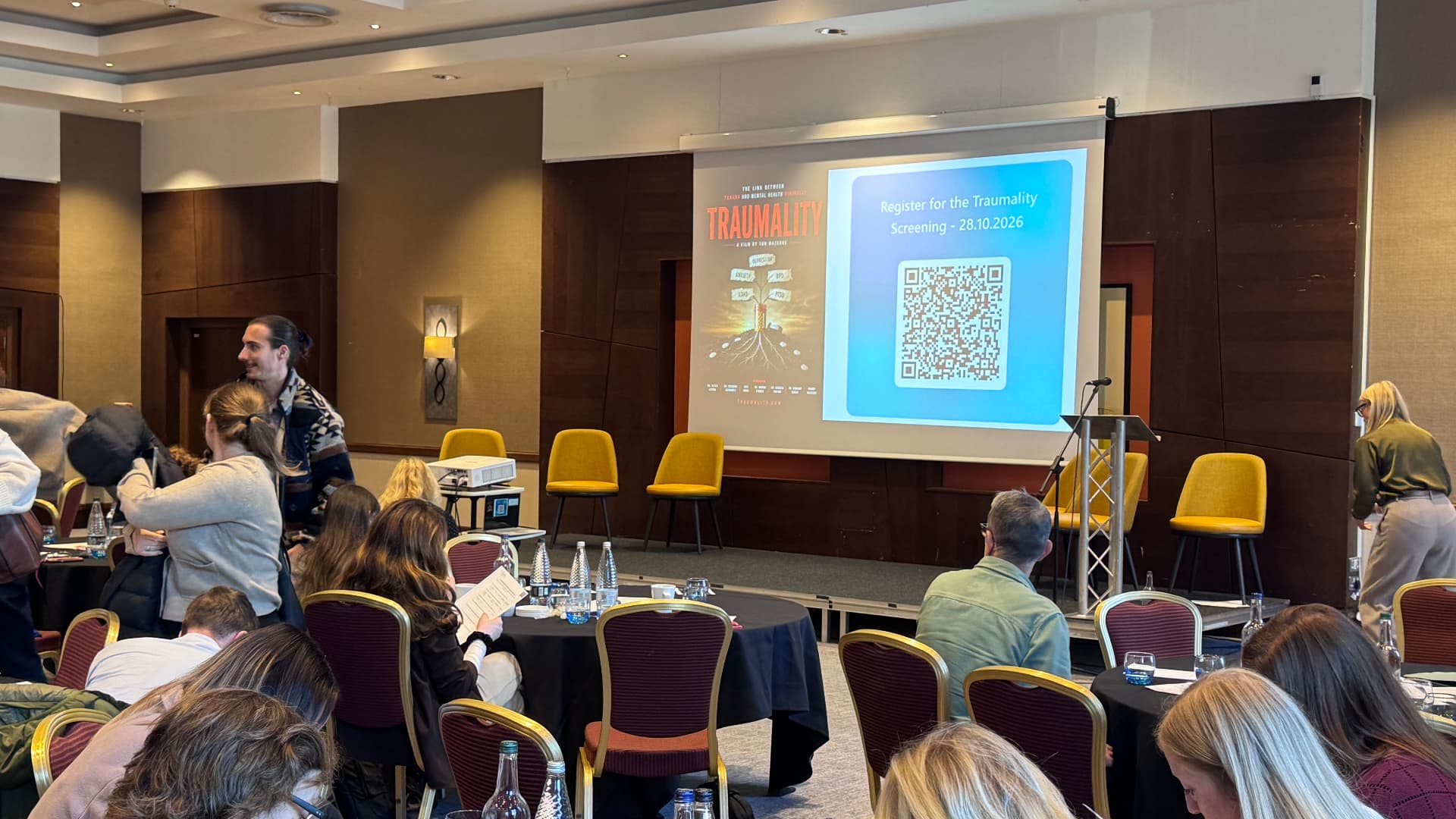
A movement years in the making
This conference sits within Kent's ongoing work to embed trauma-informed care. Jess Mookherjee reflected on the journey from advocating for adverse childhood experiences to be taken seriously as a public mental health issue, to a conference that brings national expertise, local practice and lived experience together in one room.
That shift did not happen by accident. It took years of persistence from people willing to keep making the case, and much of that momentum owes a great deal to Sue Gower and Mick Haselden. Five conferences in, SPACE Matters has become a place where the county takes stock of how far it has come and how far it still has to go.
Introducing the film
Asha interviewed Ton Mazzone about TRAUMALITY, introducing the documentary to the room and opening a wider discussion about its themes: how trauma shapes the body, relationships and behaviour, and why so many people never connect their struggles to what happened to them.
They were then joined for a panel by Jess Mookherjee, Priti Joshi, Sally Ward and Tim Woodhouse. Lived experience sat at the centre of the conversation, not as an illustration but as expertise in its own right: how understanding trauma can shape both day-to-day practice and the strategies that decide how services are built.
Have you seen what the work you've done with Traumality has created?
The people on the frontline
Throughout the day, Ton Mazzone listened to people supporting others through trauma, helping people stay alive through suicidal distress, and drawing on their own lived experience to connect with those who feel deeply misunderstood.
This work takes care, commitment and determination. It often means sitting with someone on their worst day, holding hope when they cannot, and returning the next morning to do it again. Much of it happens far beyond public recognition, in conversations no one else will ever hear about.
That became his answer to Asha's question. TRAUMALITY did not create this work. These people were already doing it, long before the film existed. What the film can do is shine a light on them, and help their knowledge reach people who might never otherwise hear it.
Turning understanding into practice
Asha's presentation explored embedding trauma-informed approaches across education, health and social care. Her reflection afterwards highlighted the importance of curiosity: asking what has happened to someone rather than what is wrong with them, and using lived experience to shape both everyday practice and organisational strategy.
The wider programme
Mick Haselden shared Trauma Informed Kent's Healing Centred Systems Leadership programme, which focuses on how leaders can create the conditions for healing across whole systems rather than within single teams.
Martyn Jeynes and Anna Collier discussed Maidstone Together and the community conversations taking place about violence against women and girls, showing what can happen when local people are brought into the heart of the response. Dr Karen Treisman's keynote offered another chance to reflect on the progress made and the work still ahead.
Closing the day
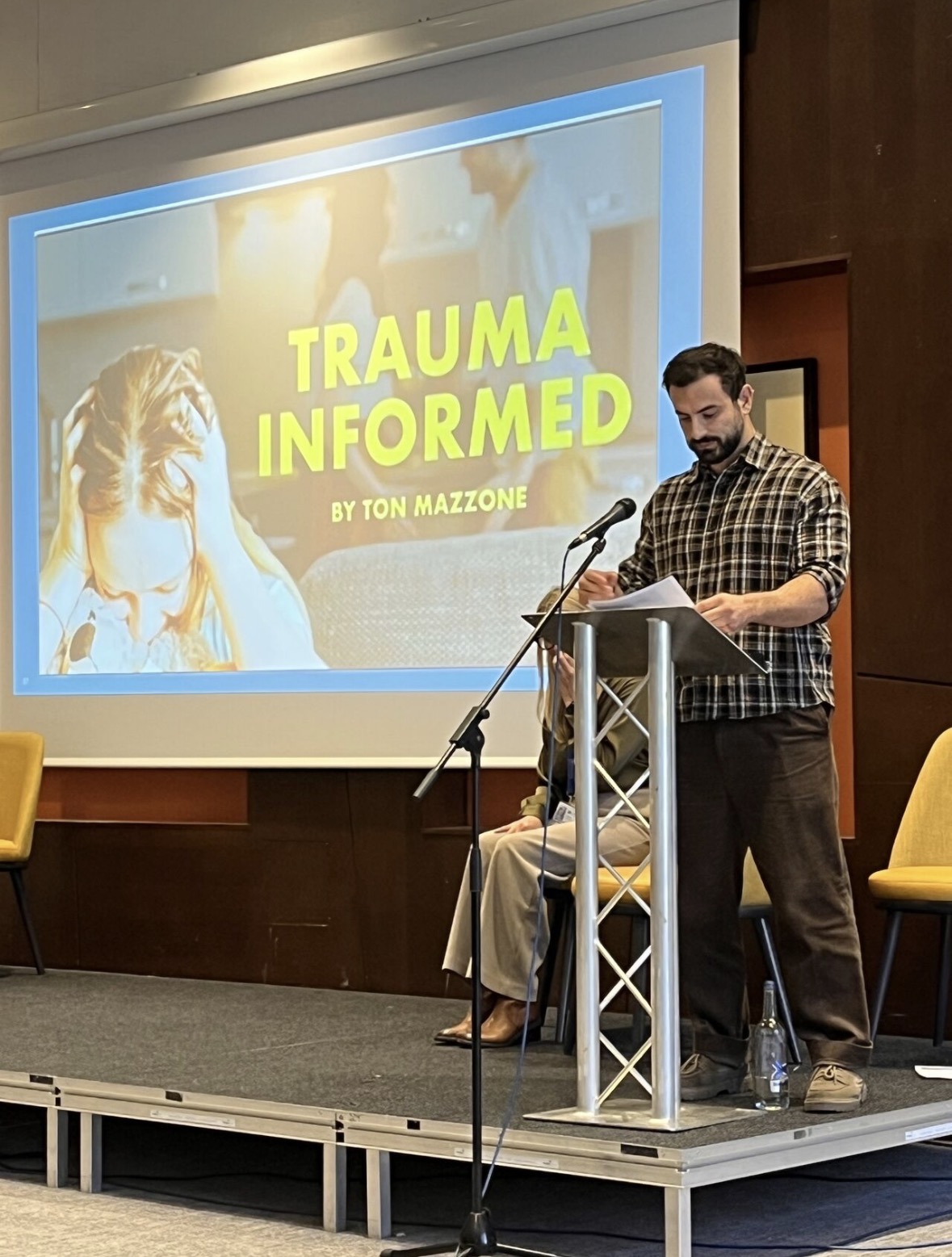
Ton Mazzone closed the conference by reading his poem "Trauma Informed". After a day of frameworks, strategies and systems, the poem brought the room back to the human experiences behind every discussion: the people these services exist for, and the people who work within them.
Thank you
Thank you to Sue Gower and the Kent Public Health team, to Catherine Hampson for organising the event, to Sally Ward for chairing, and to every speaker, panellist and practitioner who contributed.
TRAUMALITY shines a light on the people already doing this work, helps their knowledge reach new audiences and creates opportunities for that understanding to influence care. SPACE Matters made that collective effort visible, and showed that the answer to Asha's question lies with everyone in that room.
- Who in your organisation is already doing this work quietly?
- How could lived experience shape your next decision?
- Who else needs to see this?
Want to bring TRAUMALITY to your community or organisation? Host a screening
0 comments
Join the conversation
Loading comments…