Thursday 29 October 2026
TRAUMALITY Screening in Kent Council Sparks Powerful Conversations About Lived Experience and Systemic Change
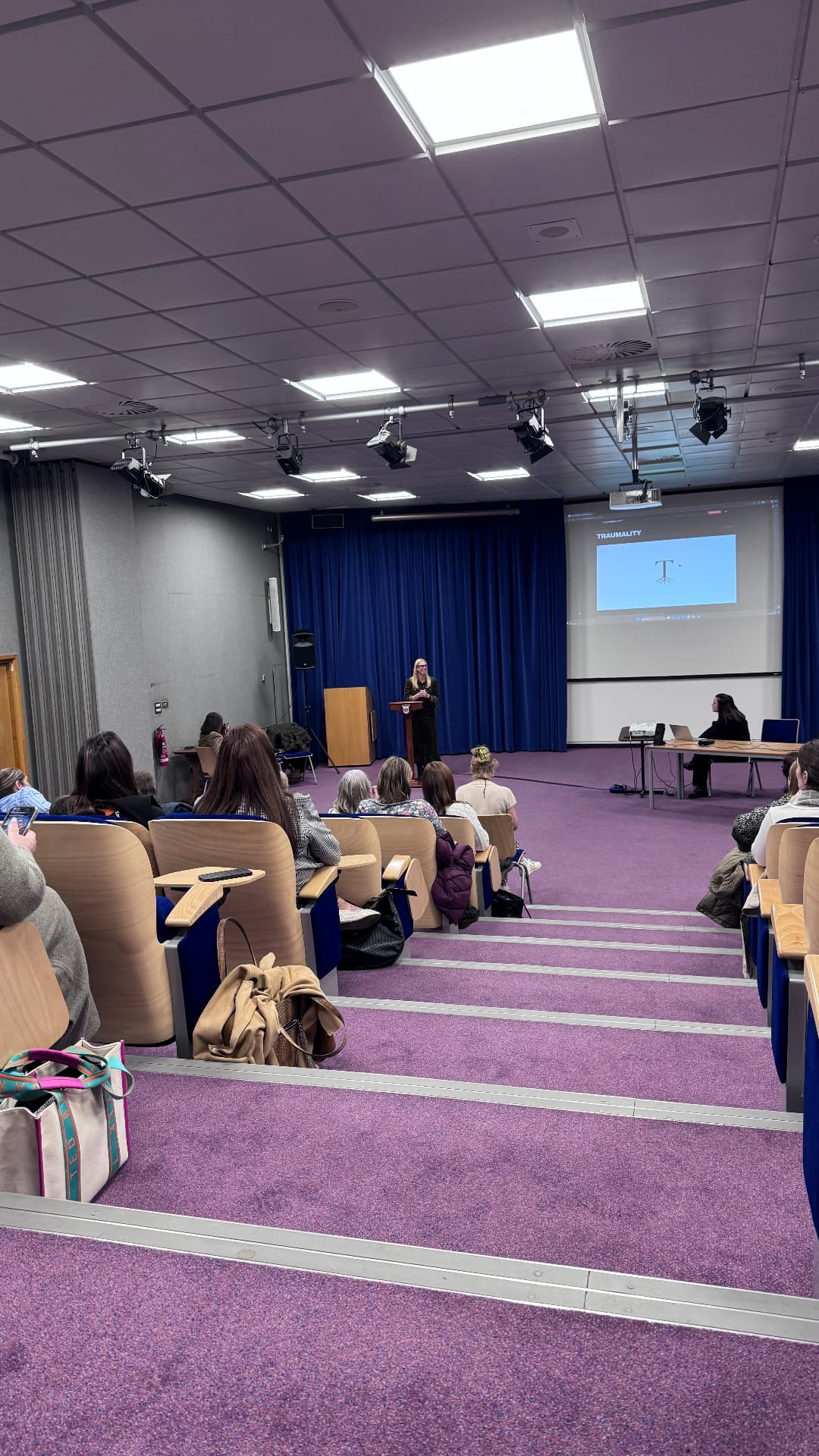
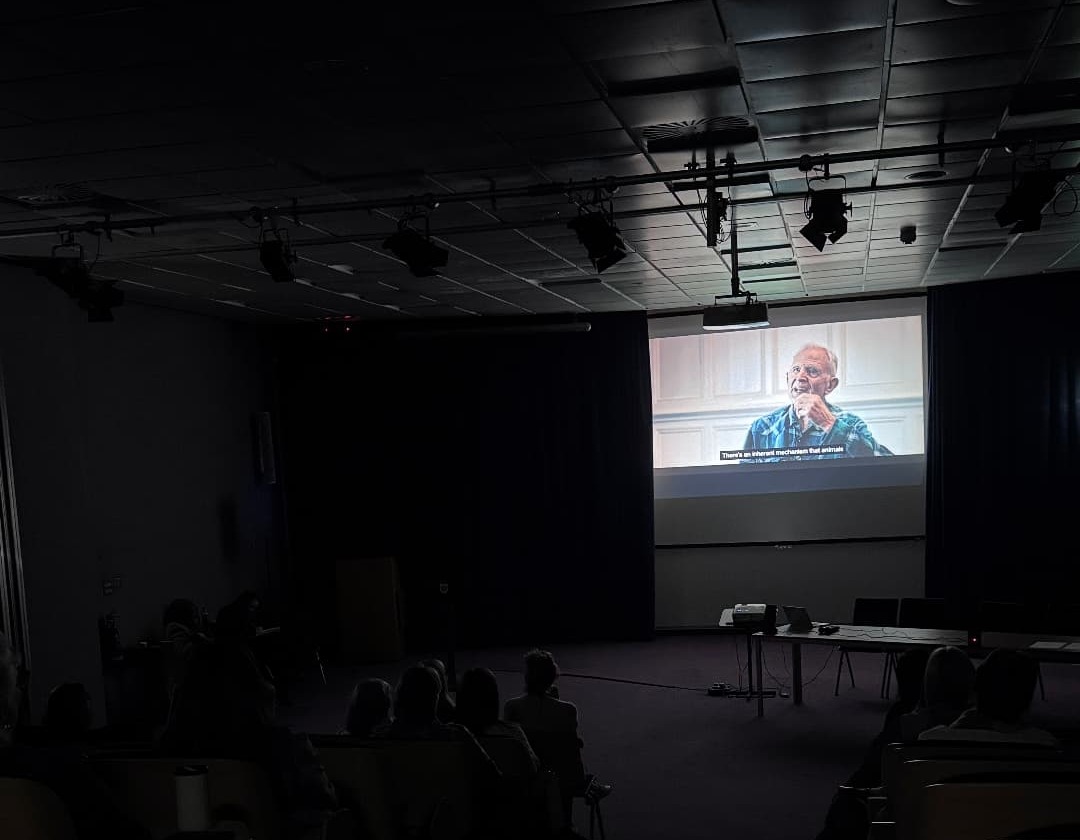
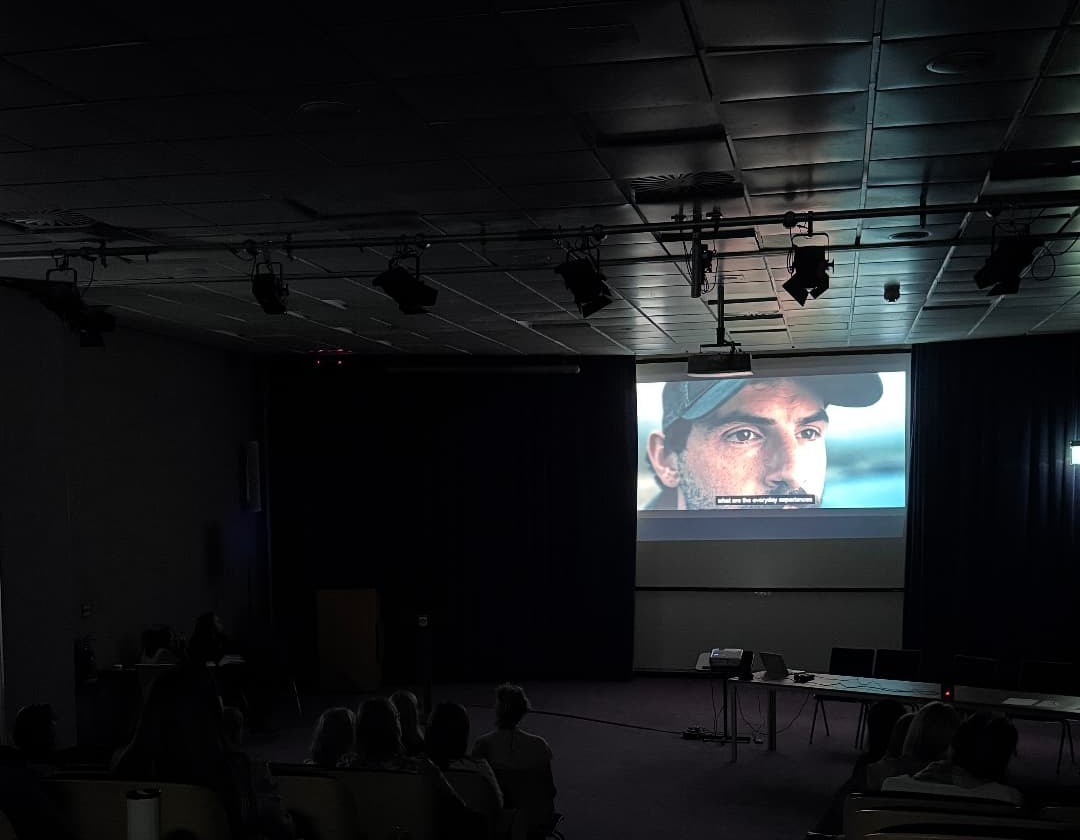
On Wednesday 28 October, TRAUMALITY came to Sessions House in Maidstone, Kent. The room was full of people who do this work every day: practitioners, council staff, advocates and people with lived experience, and the evening became one of the most honest conversations of the tour so far.
The evening was organised by Sue Gower MBE JP MA PGCE QTLS FCMI. Sally Ward opened the screening, and her introduction set the tone for everything that followed.
When the lights came up, Sally Ward chaired a panel with Priti Joshi, Annie Norton, Nat Farley and TRAUMALITY filmmaker Ton Mazzone. What followed was an honest, direct conversation about frontline realities and what needs to change.
Beyond the tick box
Nat Farley spoke with real courage about her own experience of exploitation, and about what it felt like to look for safety from people and services who simply didn't see what was happening. Watching the film, she said, felt like validation. And it showed her how far many organisations still have to go.
She described how quickly systems misread trauma. Someone misses an appointment, and it goes down as 'did not attend'. Someone goes quiet, and they're labelled withdrawn, difficult, not willing to engage. Nobody asks whether that Thursday afternoon, or that kind of weather, or that kind of room, is tied to something they can't yet put into words.
Annie Norton turned it on the organisations in the room. Plenty of places now call themselves trauma-informed. Far fewer feel that way when you actually walk through the door.
If you can't see the whole person, then you're not trauma informed. You're just ticking boxes.
Sally pushed it further. Drawing on the SPACE Matters conference two weeks earlier, she brought up Dr Karen Treisman's challenge to go beyond trauma-informed and become trauma-infused: compassion built so deeply into the culture of a place that it shows up in every single interaction. Not something you do to people. Something you are.
It's caught, not taught. It comes from the heart, not the head.
"We need to remain curious"
Priti Joshi, Lead Social Worker at NHS England, told a story about cooking with a woman on a mother and baby unit. On paper, every risk assessment said it was a terrible idea. Cooking needs knives, and the woman carried a serious diagnosis. They cooked anyway. Halfway through, the woman shared something about her life that changed everything Priti thought she understood about her.
Of course they cooked for everybody. Of course nobody got hurt. What stayed with Priti was how little the labels and the paperwork had told her about the person standing next to her.
We never quite know. We need to remain curious. We need to never say 'I know'.
Time over targets
Asked what she would tell commissioners designing services, Priti didn't hesitate. Stand her up in front of them, she said, and the first thing she'd say is that you cannot have a six week intervention. It took 18 months before one woman she supported felt safe enough to share even part of what had happened to her. Eighteen months.
Then the ending. Only that week, the same woman had taken a big step to protect herself, and she had done it entirely on her own, without Priti filling in a single form. Nobody fixed her. She got her confidence and her agency back, because someone gave her the time to find them.
It's not about the healer and the one that needs to be healed. It's about giving the person in front of you agency over their own recovery.
Lived experience is expertise
Nat was clear that lived experience still carries a stigma, sometimes from the very professionals it should be working alongside. But people open up to those who have walked a similar road. That insight belongs at the same table as clinical knowledge, not underneath it.
Sue Gower knew exactly what she meant. She described years of advocating for her son on hospital wards that had never seen his condition before, and the conversation that finally changed things with one practitioner.
You understand the medical side. I understand him. If we work together, we'll get the best outcome.
Help, hold, heal
Sue also shared the simple model she and a colleague built for anyone wondering whether their work really is trauma-informed. Are you helping, and how? Are you holding space, so people feel you're approachable? And is your ambition to heal, or just to deliver six sessions? All of it, she said, sits inside hope.
She's living it too. After years of banging the trauma-informed drum in local government, she found another way in: a voluntary sector organisation that secured half a million pounds of National Lottery funding to become trauma-informed, which in turn opened the door to public health across Bexley. It rarely happens the way or the time you expect, she said, but the world is listening now. She committed there and then to taking TRAUMALITY to partners across Bexley and Greenwich.
Rupture and repair
One parent in the audience said the message she was taking home was the hopeful one: that ruptures between parents and children can be repaired. Ton explained that this was deliberate. The film sets out to remove shame and blame, because people shut down the moment they feel accused. A single honest moment of repair, he said, can shift the weight of a whole childhood.
Sue added a warning about where things are heading: a culture of ghosting, blocking and going no contact. Everybody ruptures relationships. What matters is learning to repair them.
What happens afterwards
Another audience member said the film left her feeling something she hadn't expected: hope. Maybe the timing is finally right. Maybe people really are listening. The appetite in the room, from the NHS, local government and the voluntary sector alike, said the same.
Sue explained why she chose a lecture theatre rather than a laptop at home: no distractions, full focus, everyone taking it in together. It's the model she'll use for every partner screening from here.
Huge thanks to Sue for organising the evening, to Sally and the panel for their honesty, and to everyone who came, stayed and spoke up.
It needs to be what you breathe, you eat, you live. It's part of you. It cannot be separate from you.
Watch online
See the film for yourself
Stream TRAUMALITY wherever you are. Your 7 days start when you press play, with subtitles in 23 languages.
Watch the filmHost a screening
Bring it to your community
Anyone can host a screening, in a local cinema, hall, workplace or living room. We provide the licence, the film and a discussion guide.
Host a screening0 comments
Join the conversation
Loading comments…