Thursday 8 October 2026
TRAUMALITY Online Screening: The Live Panel with Deb Dana, Dr Suzanne Zeedyk, Dr Jess Taylor and Mandy Saligari
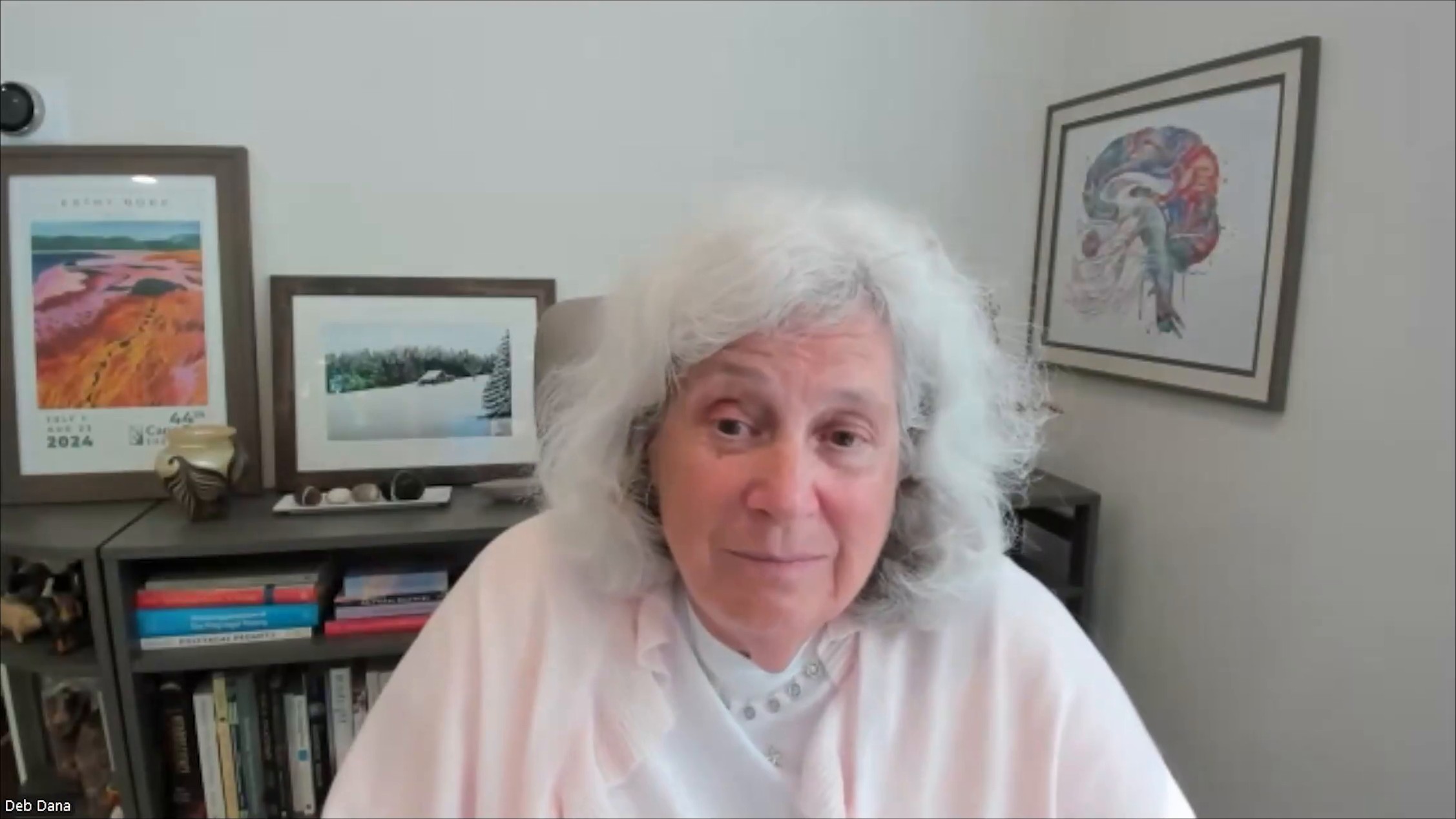
Around 200 people watched TRAUMALITY together online, then stayed on for a live panel with six of the people who helped shape the film. You can watch the whole conversation below.
The panel brought together Deb Dana, one of the world's leading voices on polyvagal theory; Dr Suzanne Zeedyk, developmental psychologist and co-founder of ACE Aware Scotland; Mandy Saligari, founder of Charter Harley Street; Dr Jessica Taylor, psychologist and founder of VictimFocus; Dr Veronique Mead, family physician turned somatic trauma therapist and founder of Chronic Illness Trauma Studies; and Deborah Cooper Jones, who shares her own lived experience in the film.
From broken to dysregulated
Deb Dana opened by describing the people who come to her convinced they are broken and cannot be fixed. Once they understand that every nervous system has states of safety, fight or flight and shutdown, a different story becomes possible. The language shifts from "I'm broken" to "I'm dysregulated in this moment, and that makes sense."
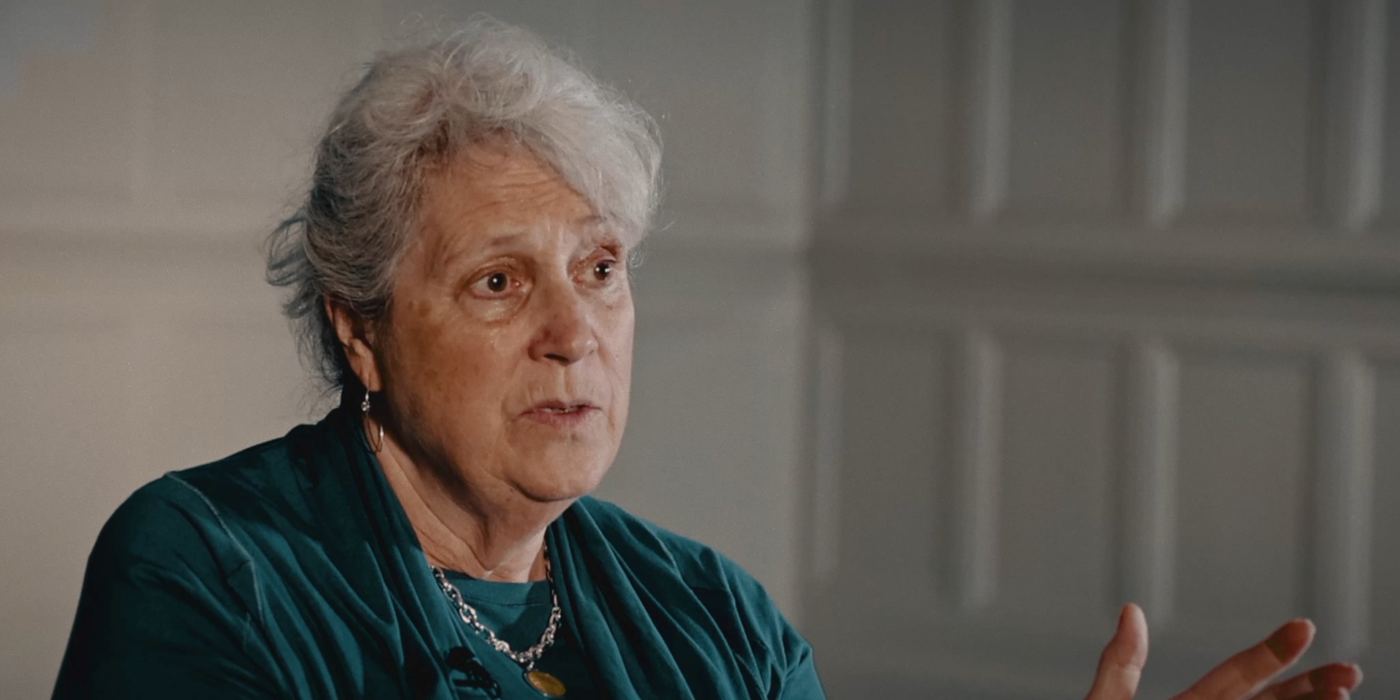
She also named the thing people most often misunderstand about polyvagal theory. The aim is not to live permanently in calm. We all dysregulate and come back, and that movement builds resilience. Suffering comes from getting stuck in our survival states, not from leaving and returning.
One lens, not the only lens
Dr Jessica Taylor spoke about how deeply psychiatric language has entered everyday life. People now describe themselves through labels rather than saying "I feel frightened" or "I am tired", and access to courts, education and support at work often depends on accepting a diagnosis.
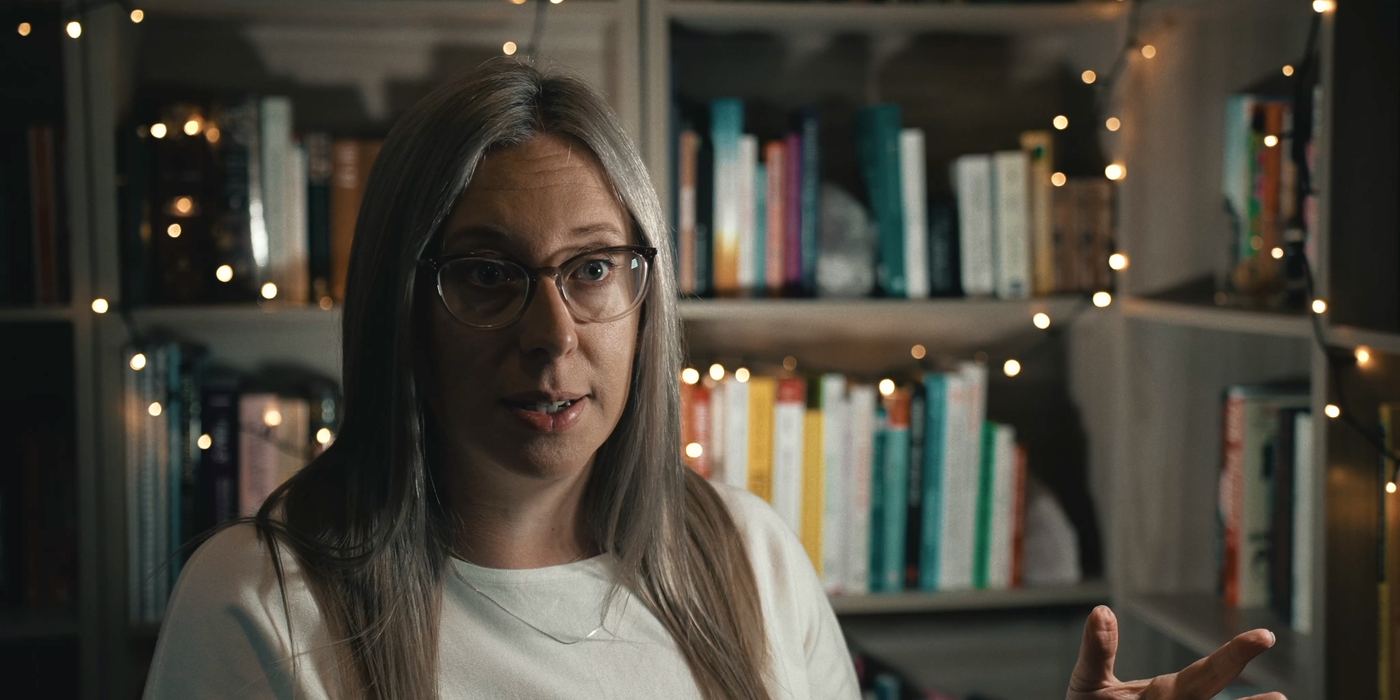
Looking at what happened to me, how it has affected my body, my mind and my relationships, and then doing something about it. I don't think that's radical. I think that's common sense.
Every story matters
Mandy Saligari described how she traces patterns back through the whole family: the child who gives in order to receive, the good kid at school, the adult running on empty. For her, none of it is about anyone being sick or bad. It is a story, and the whole family has a part in the recovery.
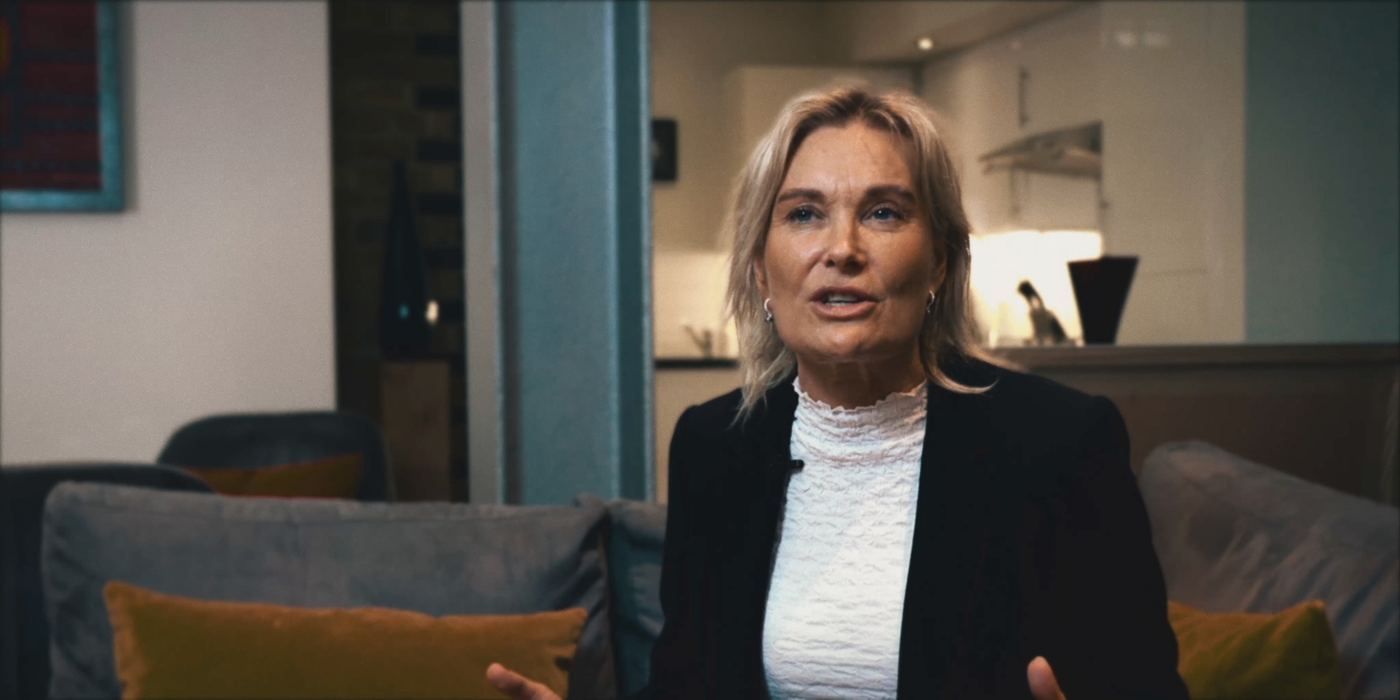
She shared her own experience of rheumatoid arthritis and, more recently, cancer, and how the tools of recovery carried her through both. Her message to anyone who feels their experience was not bad enough to count was simple.
You don't have to measure it. If you feel it, it matters.
Trauma and the body
Dr Veronique Mead left general practice after developing disabling fatigue that no test could explain. She has spent 25 years gathering research on trauma as a risk factor for chronic illness. Among roughly 4,000 people who have completed the ACE survey on her blog, around 70% report emotional abuse and emotional neglect, the two highest scores by far.
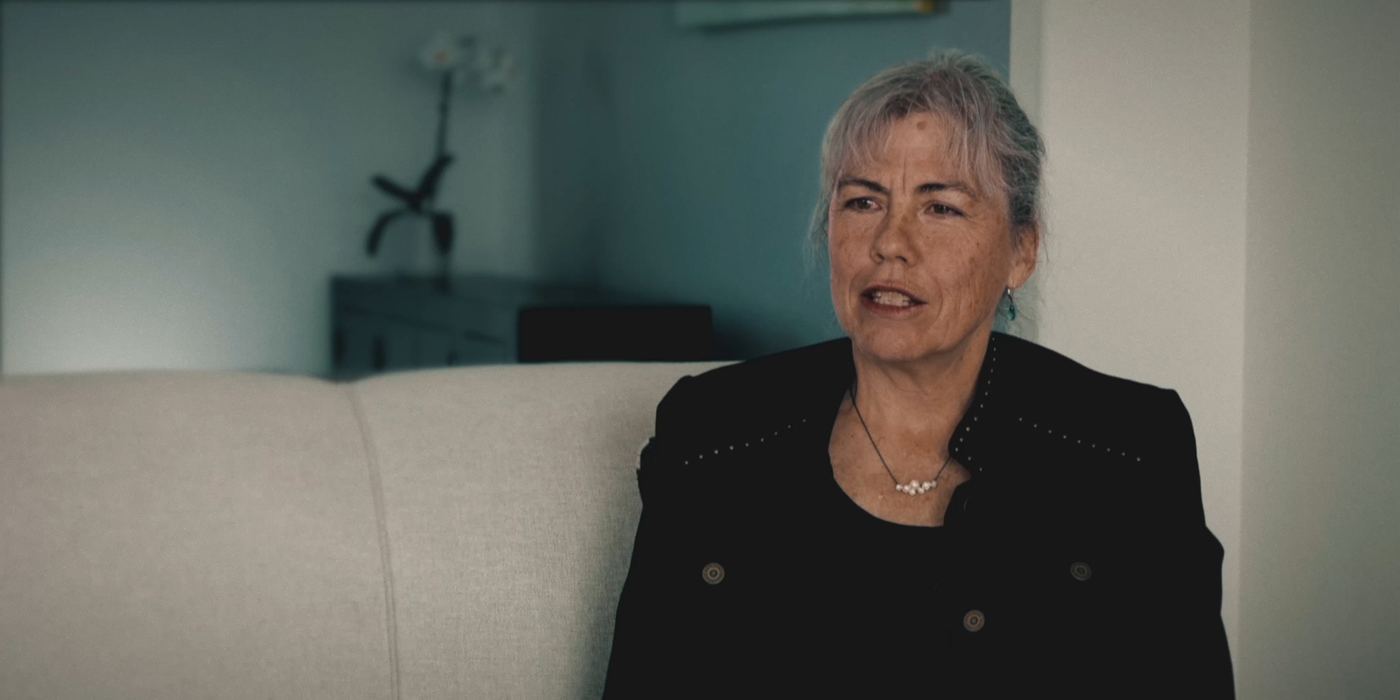
Deborah Cooper Jones, a military veteran, described being given diagnoses that overshadowed her physical health for years. Reading Judith Herman and Peter Levine, somatic experiencing, EMDR and open water swimming all became part of her recovery. Today she competes in disability-friendly triathlons and supports other female veterans.
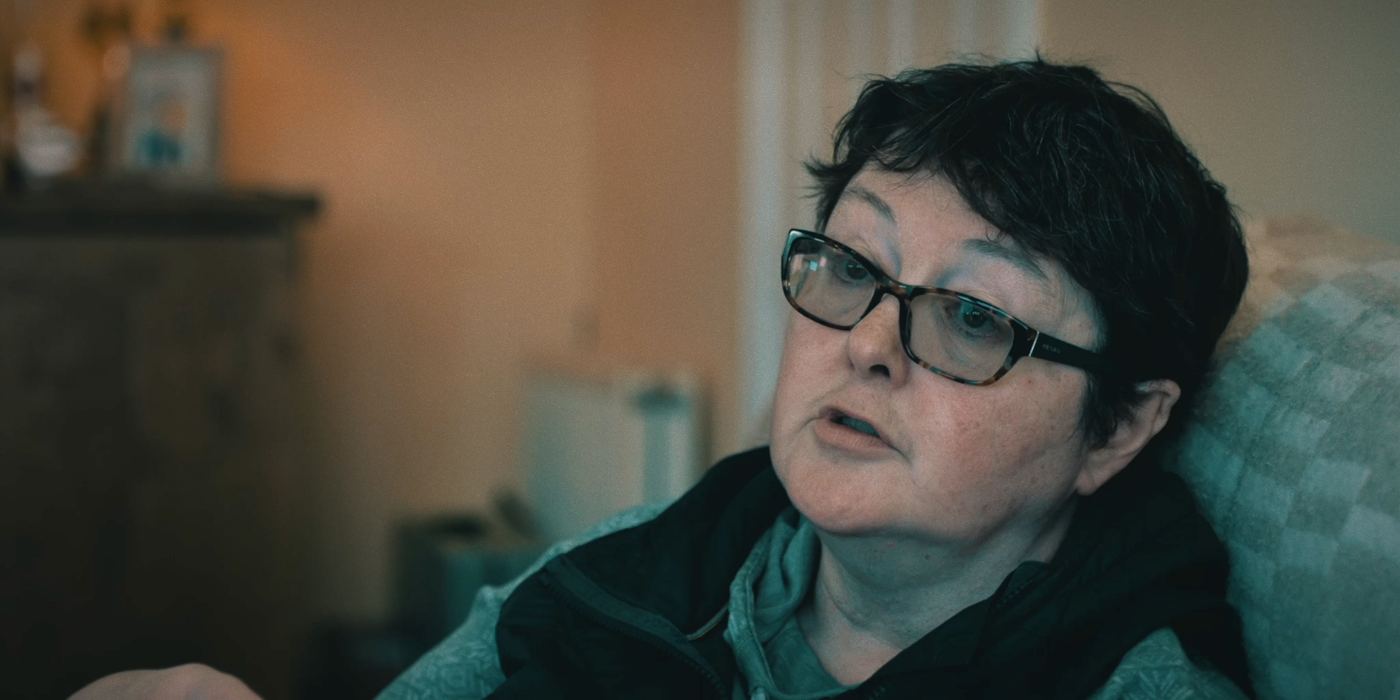
There is life after trauma. But it takes time, it takes community, and it takes supportive people.
Connection comes first
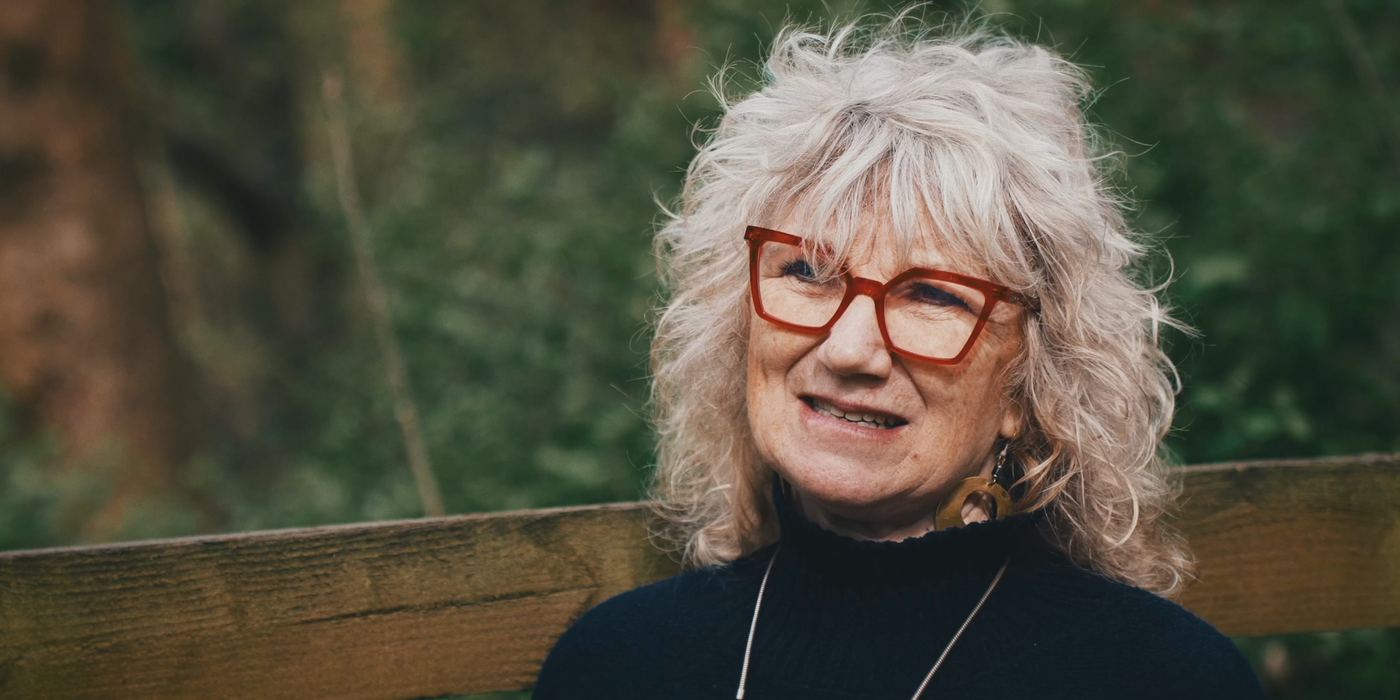
Dr Suzanne Zeedyk announced the Scottish premiere and then took the conversation a layer deeper, to intersubjectivity: the way babies arrive already connected, reading faces, voices and the rhythm of exchange. She asked those of us sharing this knowledge to think about how it feels when it lands, because if it brings too much shame, people shut down and cannot hear it.
Questions from the audience
An audience question about a child securely attached to one parent but abandoned by the other opened a rich discussion. Jess cautioned against treating attachment styles as a fixed blueprint for life, pointing to research showing people hold different styles with different people and that these change across a lifetime. Suzanne agreed that attachment styles are a starting point, not a diagnosis.
Deb closed with a hopeful thought: the patterns in our nervous systems are being shaped moment to moment, so nobody is stuck with the one they were given.
You're not stuck with whatever pattern got created. It's always moving, always shaping, and you can shape your system towards connection.
Missed the screening? TRAUMALITY is available to watch online worldwide, with 7 days of access. Watch the film
0 comments
Join the conversation
Loading comments…