Thursday 15 October 2026
TRAUMALITY Screens at the Oldest Cinema in Britain
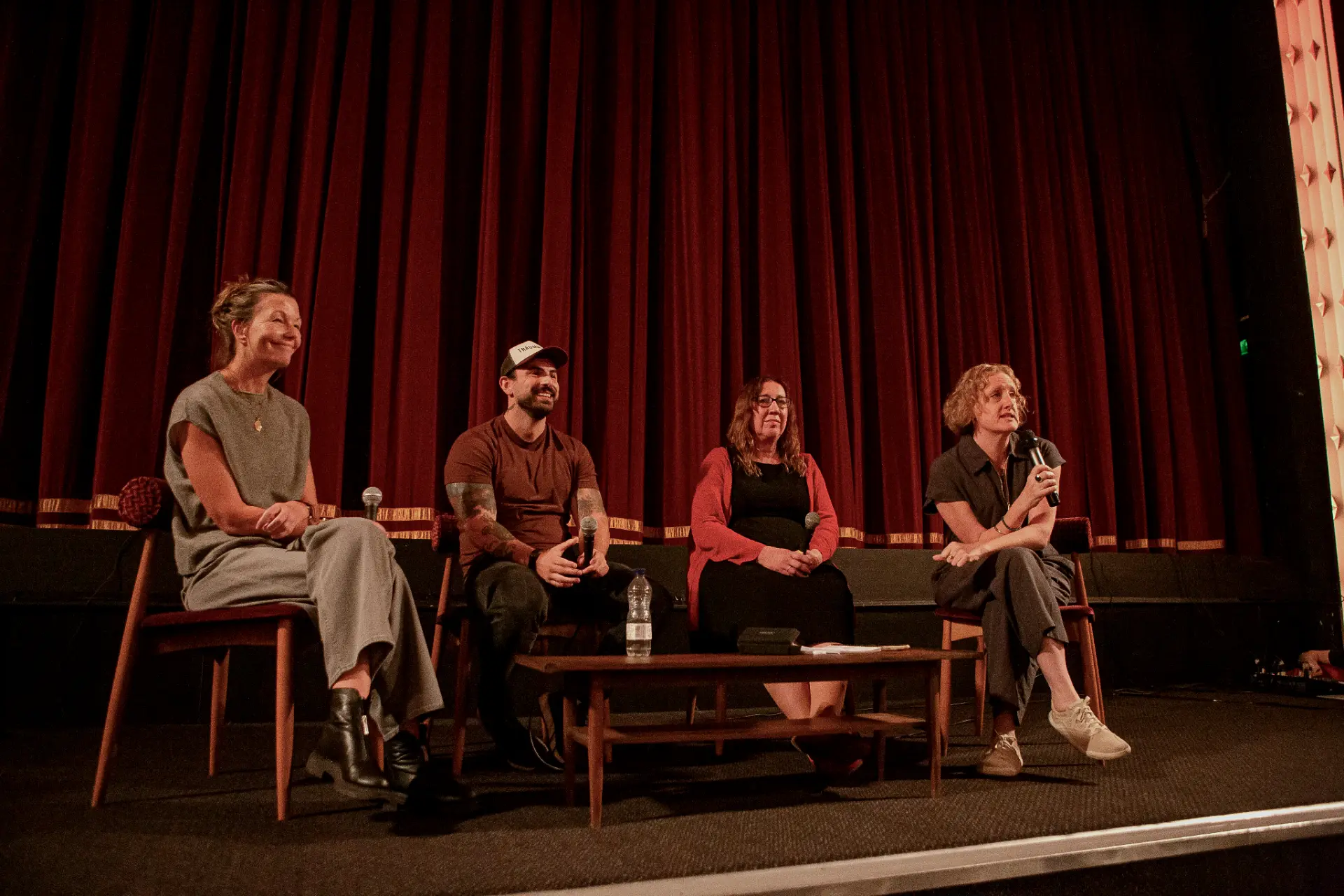
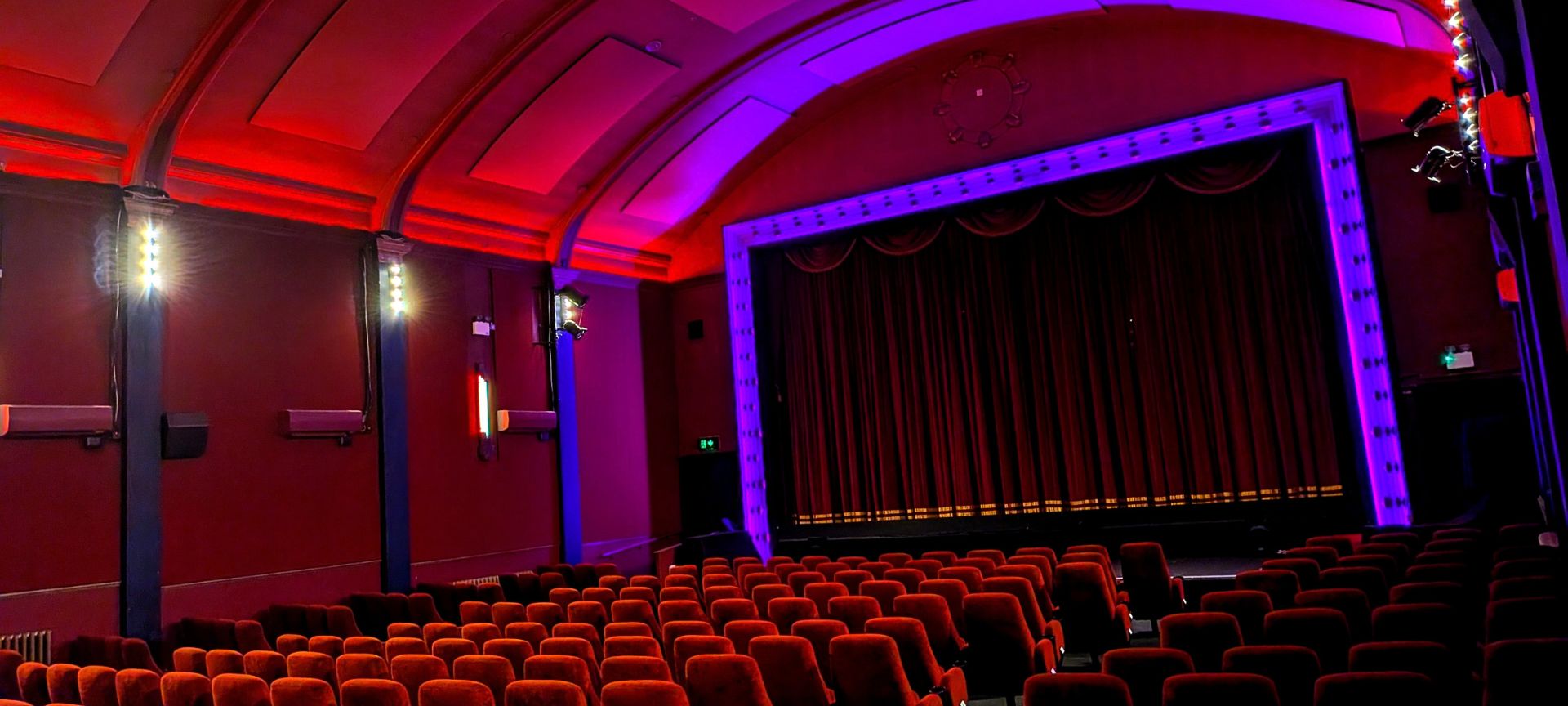
On Wednesday 14 October, TRAUMALITY screened at the Duke of York's Picturehouse in Brighton, the oldest purpose-built cinema in Britain. Hosted by Louise Michelle Bombèr and her organisation Allado, the afternoon brought together people who work with trauma every day and people supporting its effects at home, and asked one question above all others: what happens after awareness?
The Duke of York's has been showing films to Brighton audiences since 1910. More than a century later, its red velvet auditorium was filled with teachers, therapists, social workers, health professionals, foster carers and adoptive parents, many of whom had come because the film's subject is not abstract to them. It is the work they do and the lives they hold.
Hosted by Allado
The screening was hosted by Louise Michelle Bombèr, author, specialist teacher and therapist, through Allado, her organisation dedicated to attachment and trauma-informed practice. Allado trains and supports schools, foster carers, adoptive families and the professionals around them, helping adults understand what children with trauma histories need in order to feel safe, settle and learn.
Louise's work starts from a simple but often overlooked idea: behaviour is communication. A child who seems defiant, withdrawn or out of control may be a child whose nervous system is still braced for danger. Allado helps the adults around that child respond with connection rather than punishment. That made it a natural home for a film which argues that understanding trauma changes how people see one another.
The panel
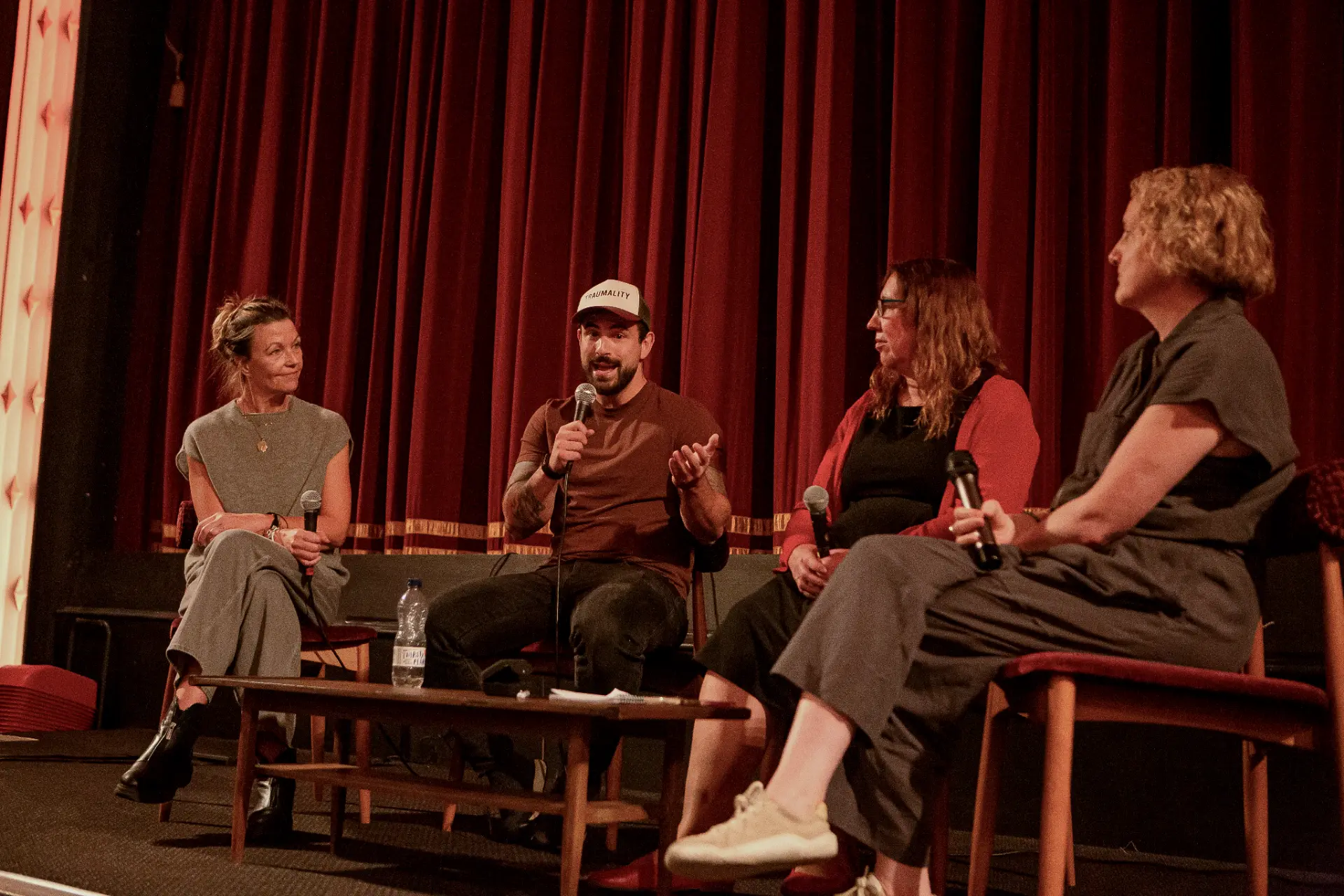
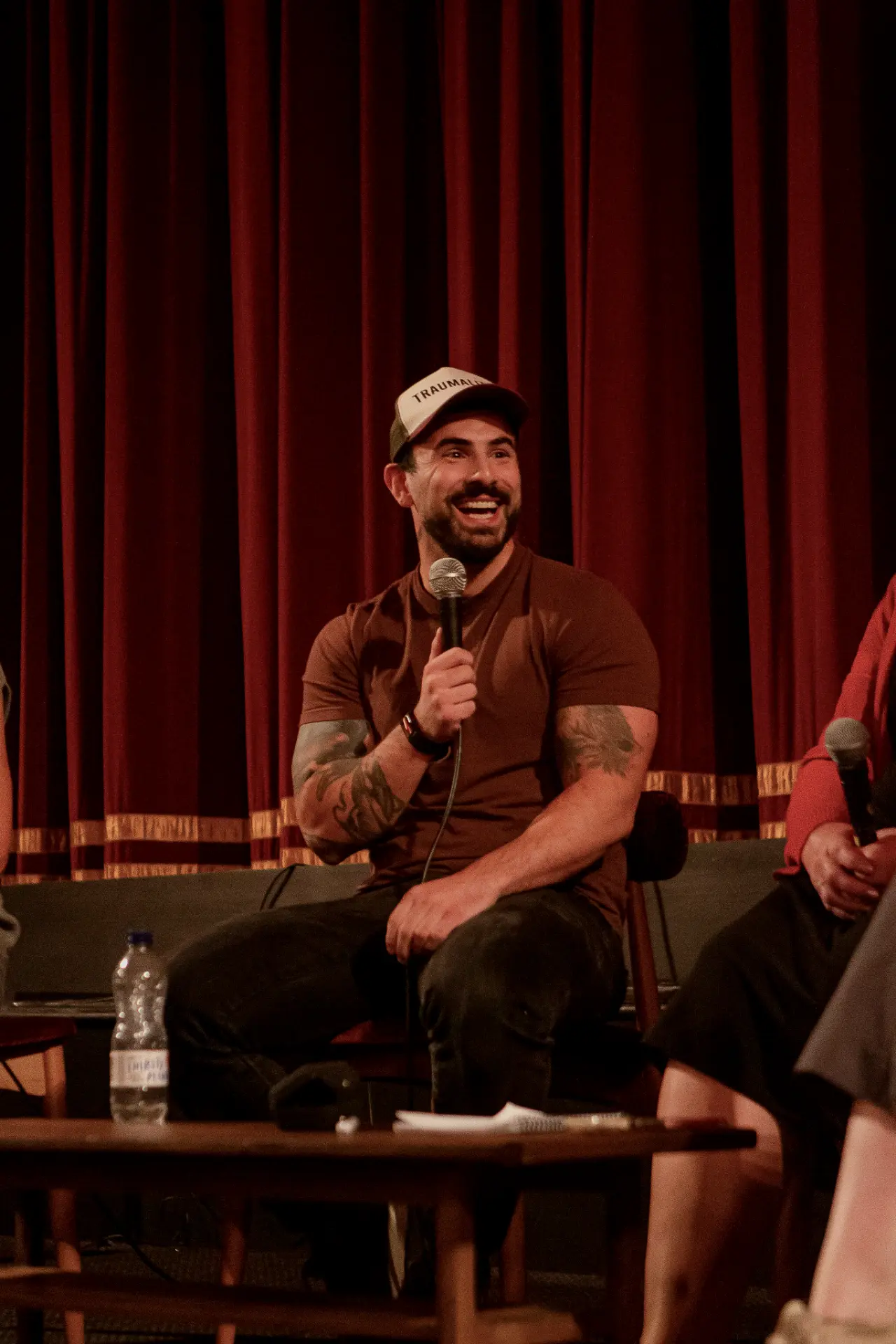
After the film, director Ton Mazzone was joined on stage by Dr Susanna Petche, NHS GP and founder of Trauma-Sense; Dr Laura Marshall-Andrews, GP and author; and Louise Michelle Bombèr. The conversation moved quickly from the film itself to the practical reality of applying its ideas in surgeries, classrooms and family homes.
Why two GPs on the panel mattered
Having Susanna and Laura in the conversation gave real weight to the question of trauma-informed primary care. For many people, their GP is the first place they turn for help, often long before anyone uses the word trauma. Persistent pain, exhaustion, anxiety, sleeplessness and low mood can all carry a history that a short appointment rarely has room to explore.
The panel discussed where trauma-informed practice stands in GP settings today and what needs to change: time to listen, training that helps clinicians ask about life experience safely, and support for the clinicians themselves, who carry a great deal. That first response is one of the most important opportunities there is for understanding and support, and it can shape whether someone ever asks for help again.
The foster care connection
Many people in the audience were foster parents, reflecting Louise's work through Allado and the community around it. Their presence connected the film to the daily reality of caring for children with trauma histories: the patience it takes, the sleepless nights, the meetings with schools and services that do not always understand, and the toll it can take on carers themselves.
For these families, the ideas in TRAUMALITY are not theory. They are the difference between a child being excluded and a child being understood. Their questions made one thing feel especially urgent: how does this understanding become standard practice, rather than something families have to fight for?
Moving towards system change
The conversation explored what needs to happen for trauma-informed approaches to become embedded in services, rather than depending on a few committed individuals. Individual commitment matters, but so does how organisations operate, how they support their staff and how they respond to the people who come to them for help.
The panel was clear that being trauma-informed is not a poster on a wall or a single training day. It shows up in policies, in waiting rooms, in how a phone call is answered and in whether a service punishes people for the very responses trauma creates. Staff who are exhausted and unsupported cannot offer safety to others, so caring for the workforce is part of the change too.
Awareness is the starting point. What we do with it is what changes things.
The need for data
A key theme was evidence. To make the case for wider adoption, it matters to understand what changes after people encounter this information, how they apply it and whether it influences practice. Stories move people, but data moves budgets and policy.
That is one of the reasons an academic evaluation study now runs alongside the film, gathering viewers' reflections before and after watching. Over time, it aims to show not only how the film is received, but what audiences go on to do differently.
Reaching decision makers
The panel also discussed getting TRAUMALITY, and the conversations it opens up, in front of the people who shape services, resources and policy: commissioners, health leaders, school governors and those who design the systems families move through. The growing interest in the film creates real opportunities to bring these discussions into the rooms where decisions are made.
Everyone has a part to play
Change does not only happen at the top. Everyone in that room can take this understanding into their homes, caring relationships, workplaces and communities. A teacher can rethink a behaviour policy. A carer can share the film with a social worker. A GP can ask one more question. Each person has a sphere of influence, and when those efforts add up, they build momentum together.
The waves TRAUMALITY is creating
Brighton was another reminder of what the film can do: bring people together, open difficult conversations and give a shared starting point for action. From cinemas to conferences, schools to NHS trusts, each screening adds to a growing community of people who want to turn understanding into practice.
Thank you to Louise and the Allado team, Susanna, Laura, the Duke of York's team and everyone who came and stayed for the conversation.
- What will you do with what you now know?
- Who else needs to see this?
- What could you help change within your own sphere of influence?
Want to bring TRAUMALITY to your community or organisation? Host a screening
0 comments
Join the conversation
Loading comments…