Thursday 22 October 2026
Standing Ovation for TRAUMALITY at Electrifying Northern Irish Premiere in Belfast
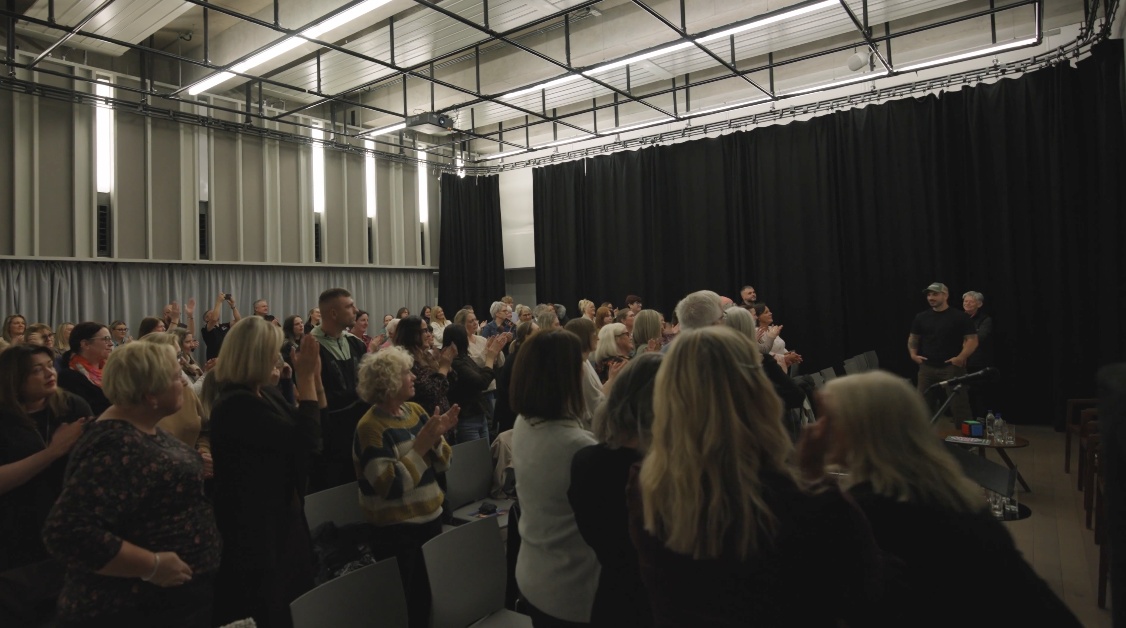
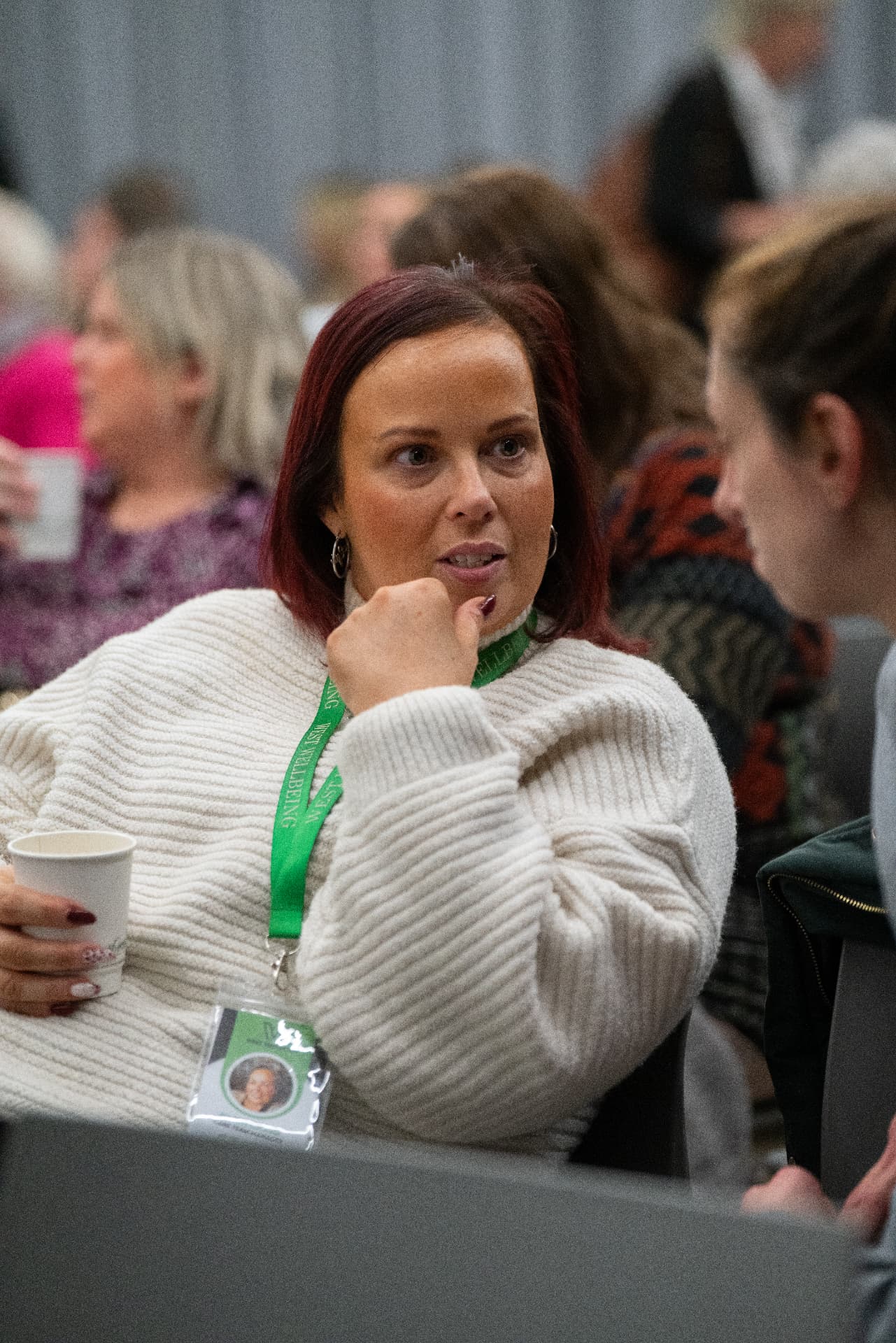
On Thursday 22 October 2026, TRAUMALITY received a standing ovation at its Northern Irish premiere at The MAC in Belfast, as the audience rose to their feet, cheering and applauding following the screening.
The energy in the room was electrifying. People were not simply gathering to watch a documentary. They were coming together to question how we understand mental health, share experiences and explore what needs to change. And perhaps most importantly, there was a sense of hope.
For a society with a complex history of conflict, adversity and intergenerational trauma, the response was particularly meaningful. The enthusiasm in the room suggested a community ready to engage in these conversations and eager to explore a different way forward.
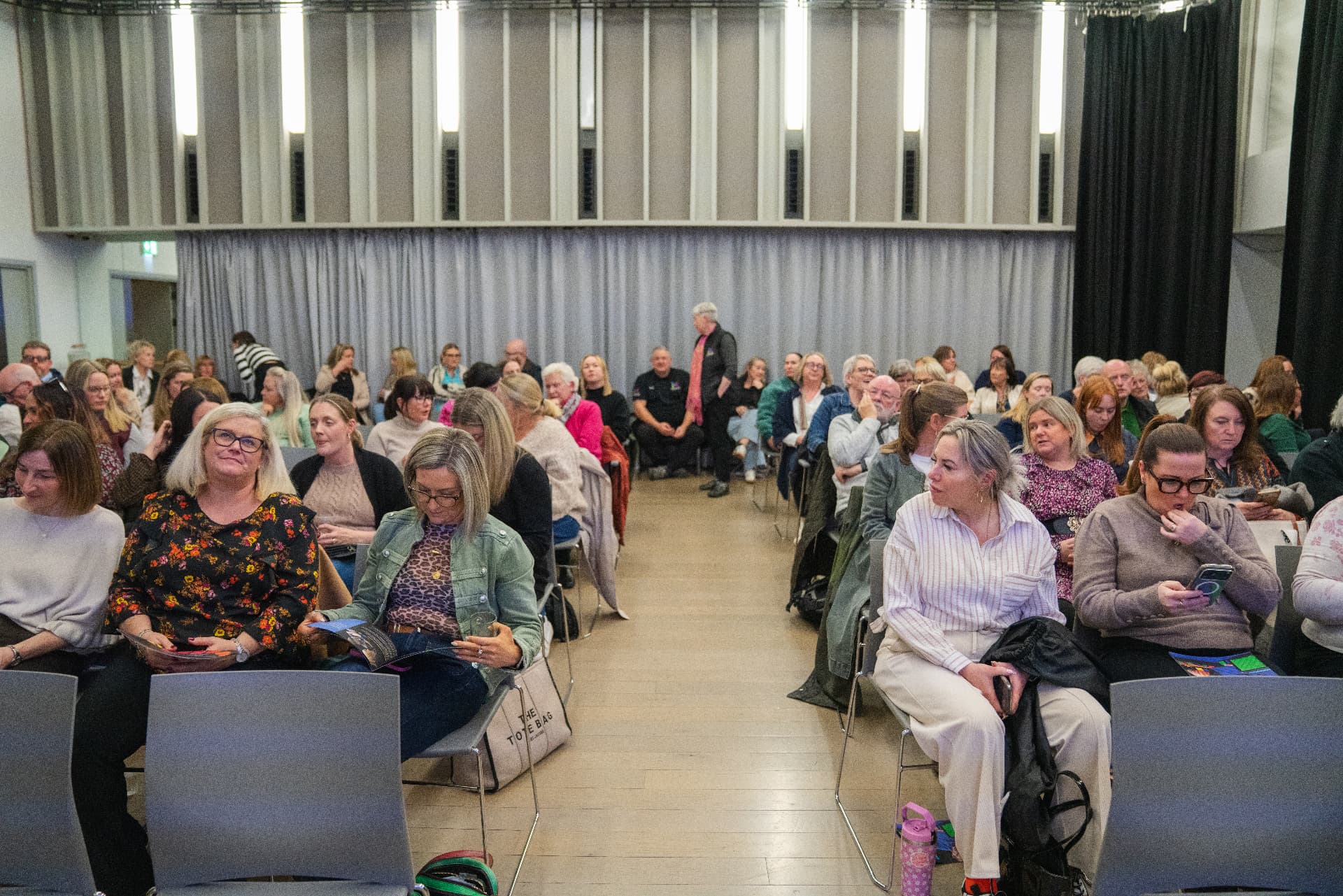
The evening was independently organised by Anthea Smyth, Victoria Nicol and Michelle Major, without external funding, bringing together practitioners, educators, advocates and people with lived experience.
Northern Ireland's history and the legacy of trauma
Northern Ireland's relationship with trauma cannot be separated from its history. Decades of conflict during the Troubles left thousands of people bereaved, injured and exposed to violence, fear and uncertainty. Although the Good Friday Agreement of 1998 marked an important turning point, the psychological and social consequences of the conflict did not simply disappear.
Research has explored how conflict-related trauma can influence later generations, including children born long after the worst of the violence. Not everyone in Northern Ireland shares the same history or experiences, but the wider legacy of conflict remains an important part of understanding the country's mental health landscape.
Our experiences do not exist in isolation. They are shaped by our relationships, our environments, our families and the societies in which we live.
What would a more trauma-informed Northern Ireland look like?
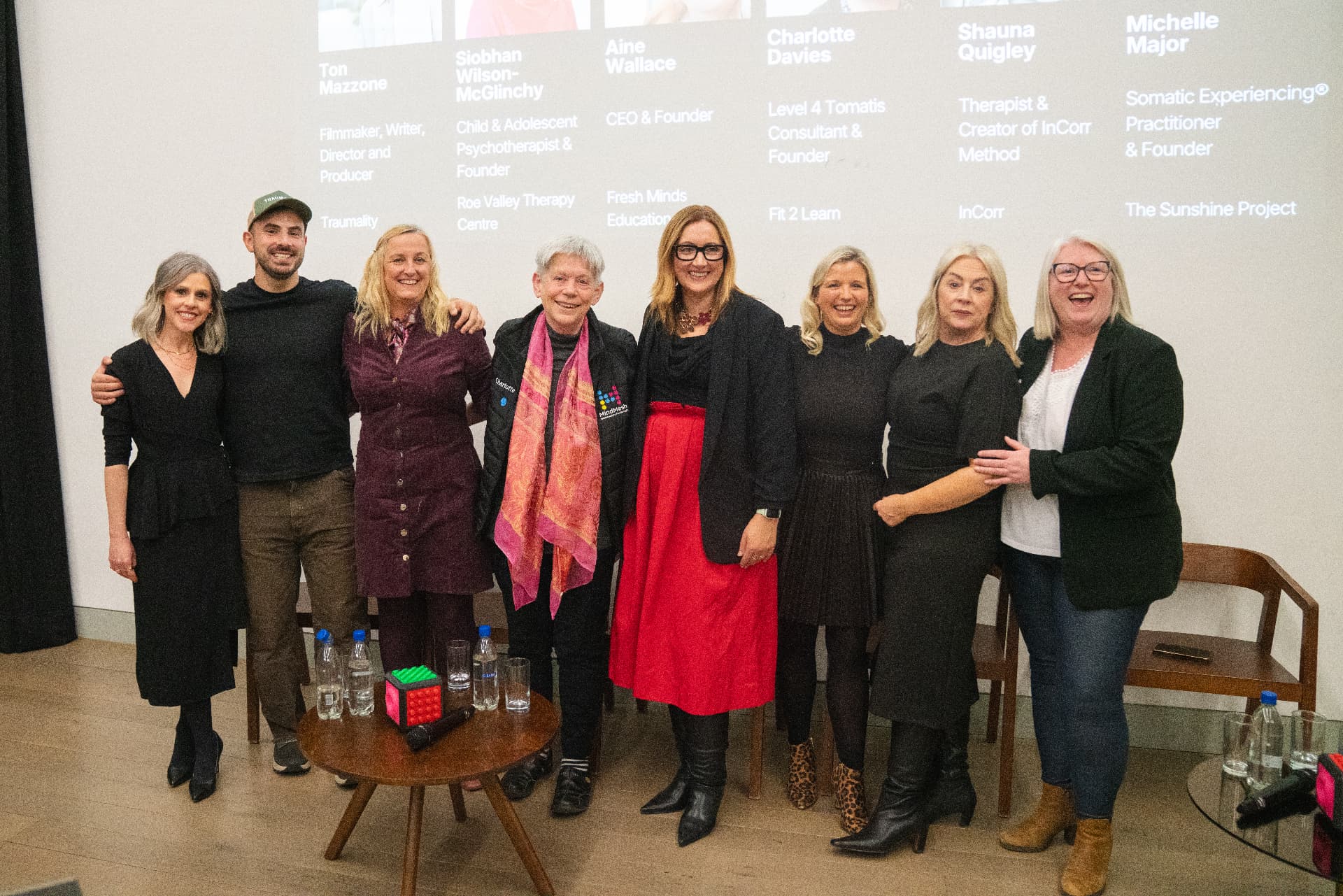
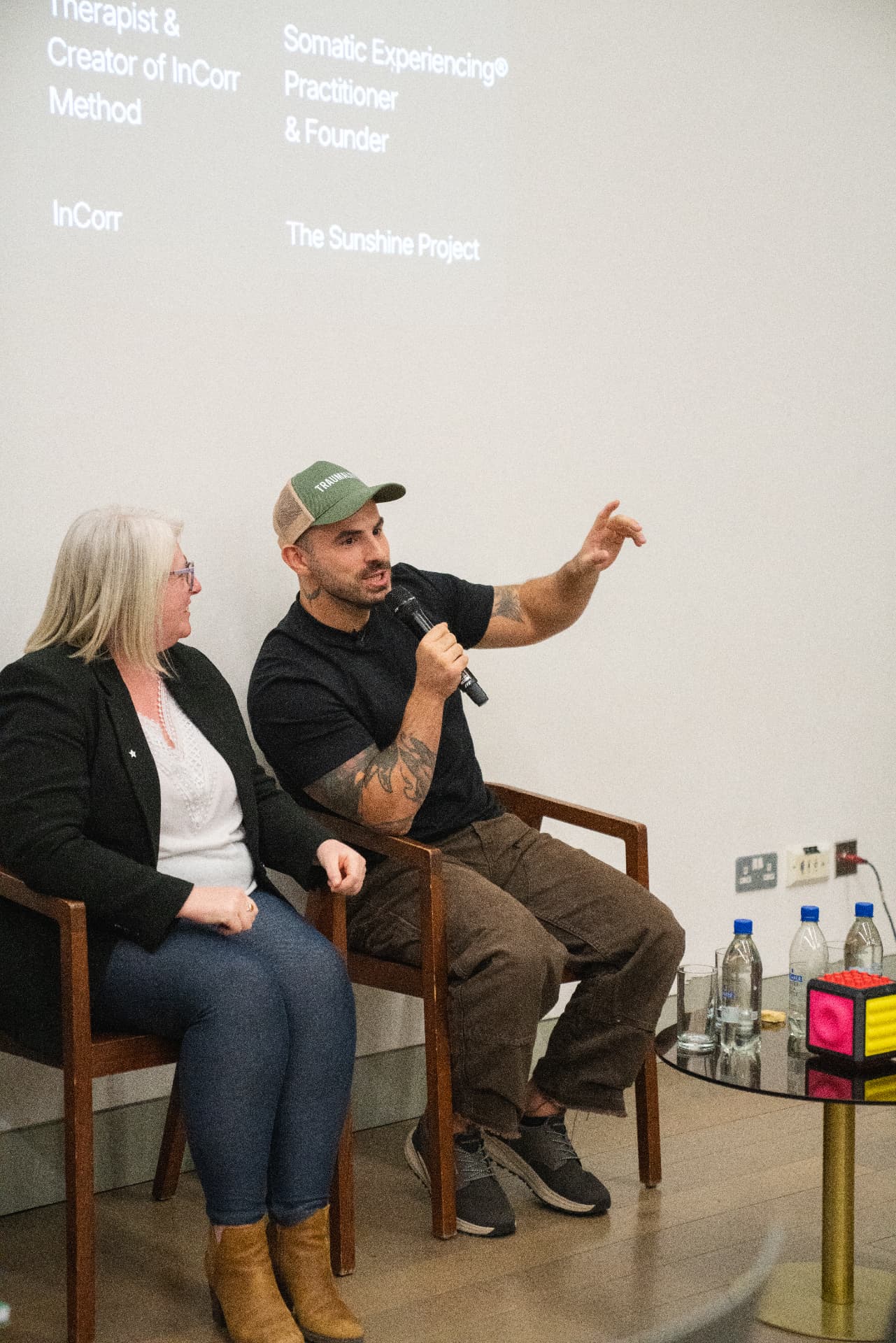
Following the screening, Ton Mazzone was joined by an incredible panel:
- Siobhan Wilson-McGlinchy, Child and Adolescent Psychotherapist and Founder of Roe Valley Therapy Centre
- Áine Wallace, CEO and Founder of Fresh Minds Education
- Charlotte Davies, Level 4 Tomatis Consultant and Founder of Fit 2 Learn
- Shauna Quigley, Therapist and Creator of the InCorr Method
- Michelle Major, Somatic Experiencing Practitioner and Founder of The Sunshine Project
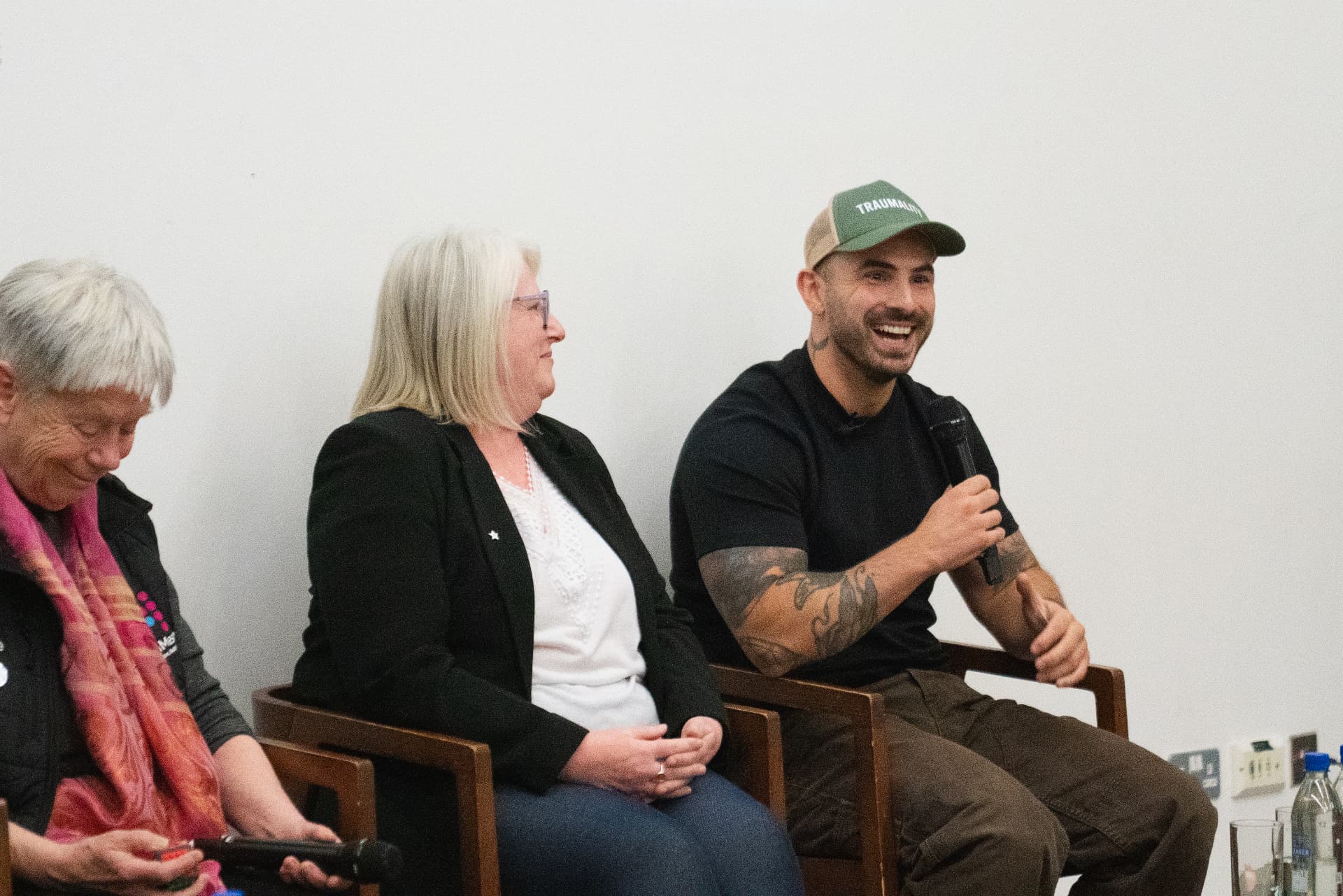
The panel was asked: if you had the power to make changes across Northern Ireland to both prevent trauma and help people heal from its effects, what would be your top three priorities?
We need time
One of the most powerful reflections of the evening came from Áine Wallace. When asked what she would change, her answer was striking in its simplicity: time to learn, time to play, time for relationships, time for one another, time to reflect.
If I could make a change, I would give us all back time.
Parents struggling to find time to connect with their children. Teachers overwhelmed by demands. Professionals carrying ever heavier workloads. Áine's contribution challenged the audience to consider whether a more trauma-informed society might require us to fundamentally reconsider how we organise our lives.
A society that understands trauma must also consider whether the way it operates is contributing to people's distress.
Starting earlier, before crisis
For Siobhan Wilson-McGlinchy, a central priority was early intervention. Drawing on her work with children and families, she highlighted the significance of pregnancy, birth and the first years of life, and how children communicate through behaviour, play and the body before they have words. The discussion also called for greater collaboration between healthcare, education and community services, so support arrives long before crisis point.
Understanding the body and supporting development
Charlotte Davies brought attention to the relationship between sensory processing, movement and learning. Drawing on her work with Fit 2 Learn, she encouraged a wider conversation about children who struggle within conventional classrooms, and the need to respond to their differences with curiosity rather than judgement.
Supporting healing and personal agency
Shauna Quigley drew on her work as a therapist and her own lived experience to explore personal agency in healing, recognising people as active participants in their own recovery rather than placing all the expertise with the professional.
From awareness to action
Throughout the evening, the conversation kept returning to what comes next. Ton spoke about building on these conversations, including ways to help children better understand their nervous systems, emotions and responses to stress, and about giving children a voice in the systems designed to support them.
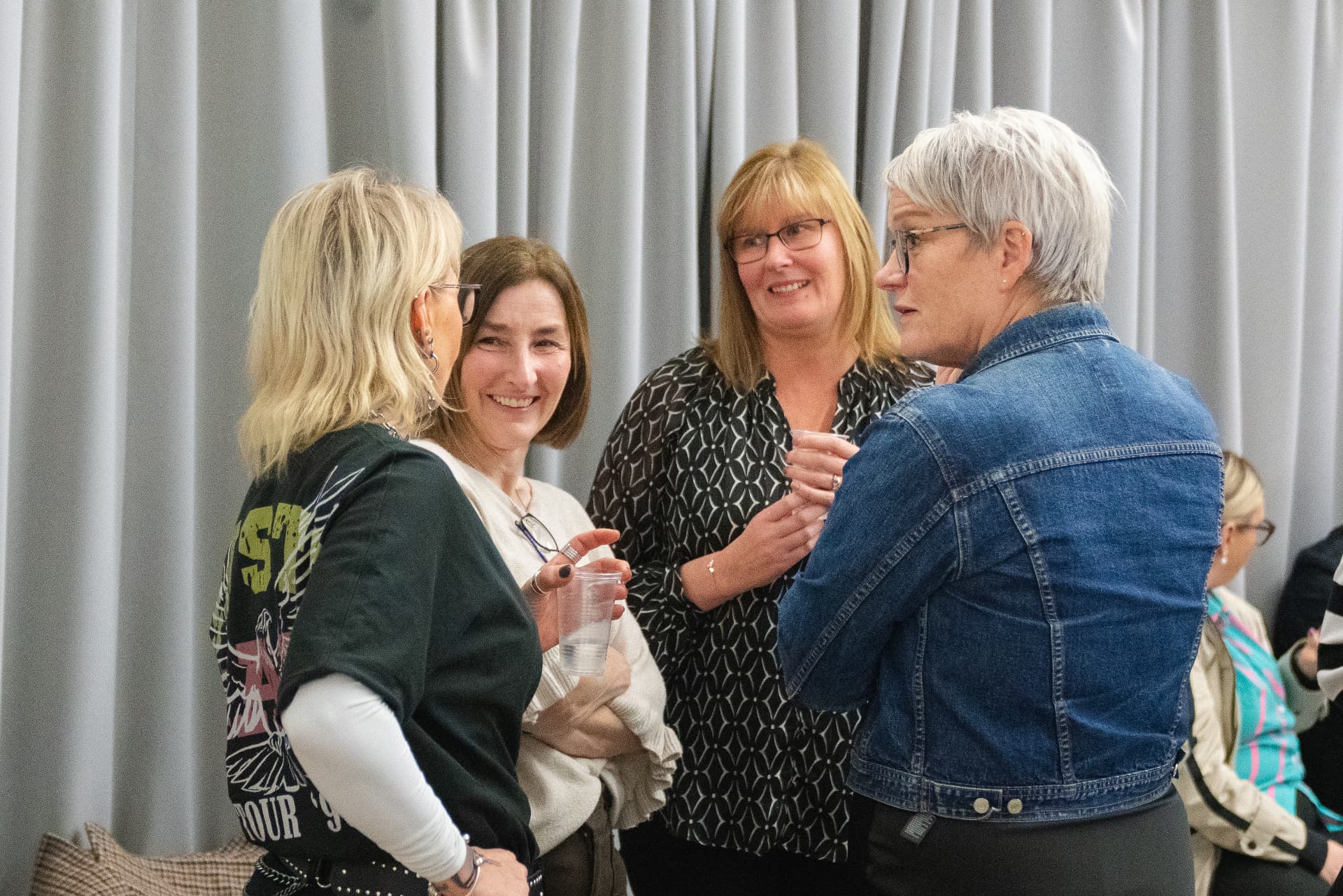
When the discussion opened to the audience, people shared personal experiences and questions about social prescribing, education, neurodivergence and mental health services, along with the pressures faced by those who support others. There are already extraordinary people doing meaningful work, often in isolation. The opportunity lies in bringing them together.
An evening made possible by people who care
A heartfelt thank you to Anthea Smyth, Victoria Nicol and Michelle Major, and to Roe Valley Therapy Centre, InCorr, The Sunshine Project, CityVets and Resilient Rhythms, alongside every organisation and individual who gave their time, energy and resources.
A standing ovation. A room full of hope.
Watch online
See the film for yourself
Stream TRAUMALITY wherever you are. Your 7 days start when you press play, with subtitles in 23 languages.
Watch the filmHost a screening
Bring it to your community
Anyone can host a screening, in a local cinema, hall, workplace or living room. We provide the licence, the film and a discussion guide.
Host a screening0 comments
Join the conversation
Loading comments…