Wednesday 21 October 2026
TRAUMALITY in Dublin: The Irish Premiere with Alcohol Action Ireland
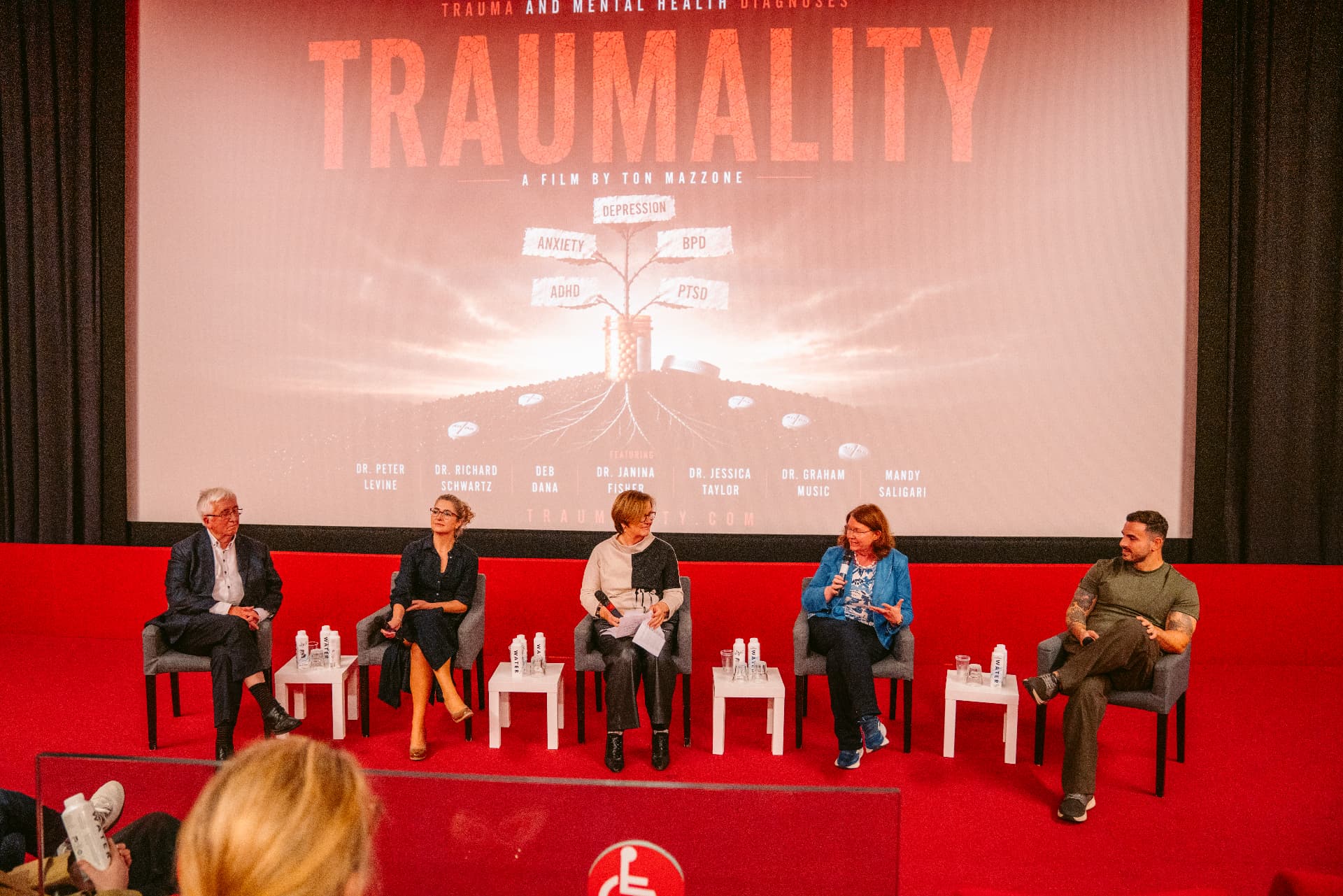
On Wednesday 21 October, TRAUMALITY arrived in Dublin in partnership with Alcohol Action Ireland as part of End the Silence 2026, opening up an honest conversation on childhood adversity, parental alcohol use and what real recovery requires.
The Irish premiere took place at the Lighthouse Cinema. End the Silence is Alcohol Action Ireland's initiative raising awareness of children growing up in homes affected by parental problem alcohol use.
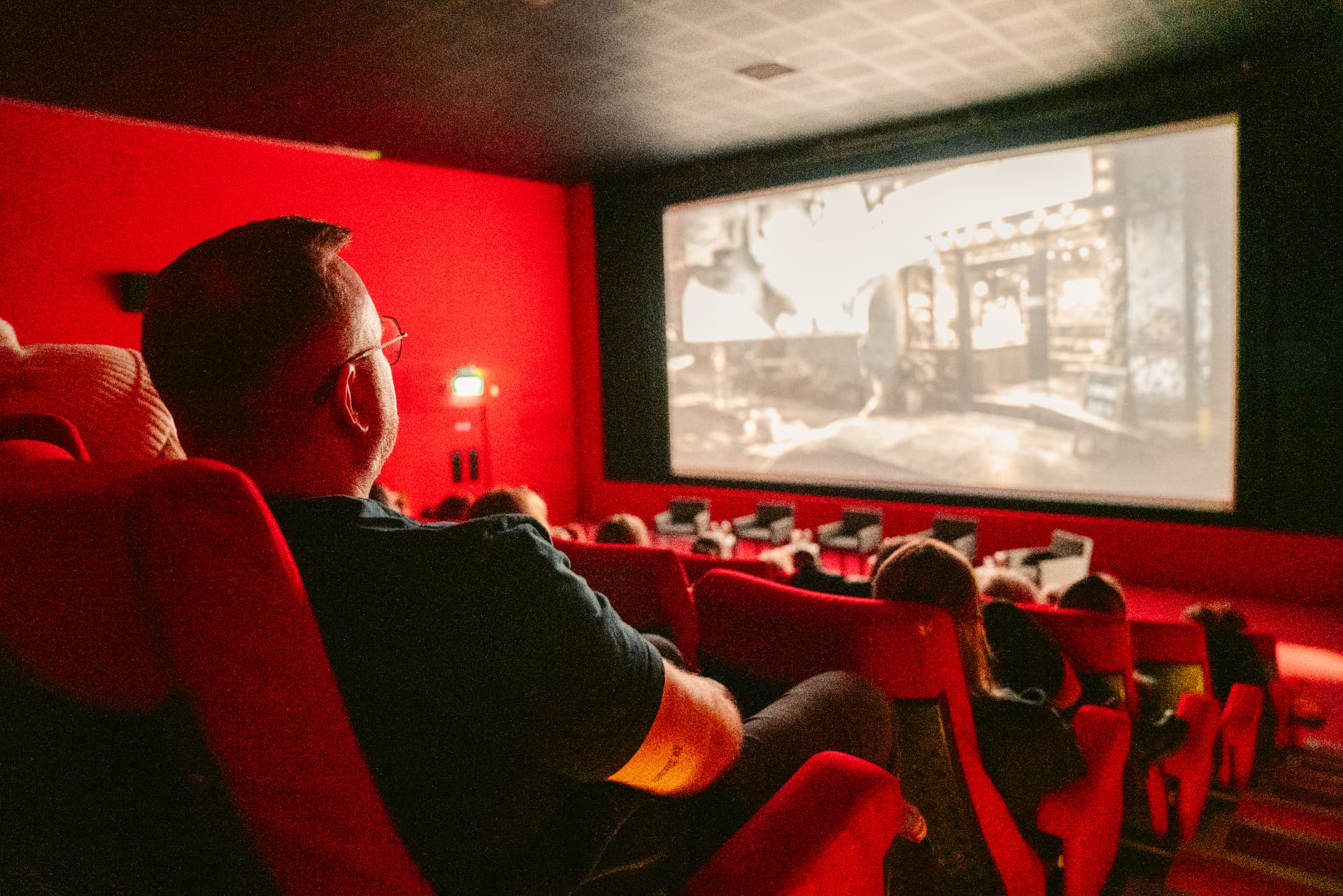
The room held people with lived experience, mental health professionals, educators, advocates and people working on policy. What followed the film was less a discussion about a documentary and more a conversation about the experiences that so often go unseen.
Looking beneath the addiction
Chaired by Dr Sheila Gilheany of Alcohol Action Ireland, the panel brought together Ton Mazzone, Marion Rackard, psychotherapist and co-founder of Alcohol Action Ireland's Silent Voices initiative, Paddy Creedon, founder and chair of Voices of Recovery, and Dr Catriona O'Toole, Associate Professor in the School of Education at Maynooth University.
Marion drew on her years working in addiction treatment and the patterns she saw repeat across generations. She spoke about children growing up with alcohol dependency, domestic violence, fear and unpredictability, and the ways they learn to adapt simply to get through. Those adaptations rarely stay in childhood. They follow people into how they experience relationships, safety and their own mental health.
She was just as clear about recovery: when people are met with understanding, skilled support and compassionate relationships, the capacity to heal is extraordinary.
To understand what someone is struggling with today, we have to become curious about what they lived through along the way.
One safe adult
Dr Catriona O'Toole turned the conversation to schools. Her starting point was simple: behaviour is communication. A child who seems distracted, withdrawn or disruptive may be responding to something nobody in the room can see, and the question worth asking is whether they feel safe enough to learn.
Teachers do not need to become therapists to make a difference. A warm welcome at the classroom door, a trusted relationship, an adult who notices when something is not quite right. The panel returned to research showing that one safe adult in a child's life can change its whole direction, and to the children most easily missed: the quiet, compliant and high-achieving ones carrying a great deal beneath the surface.
Dr O'Toole also made the case for whole-school approaches that support teachers, staff and families too. Trauma-informed environments are not built through more training alone, but through cultures where people feel safe, supported and understood.
Recovery and what travels through families
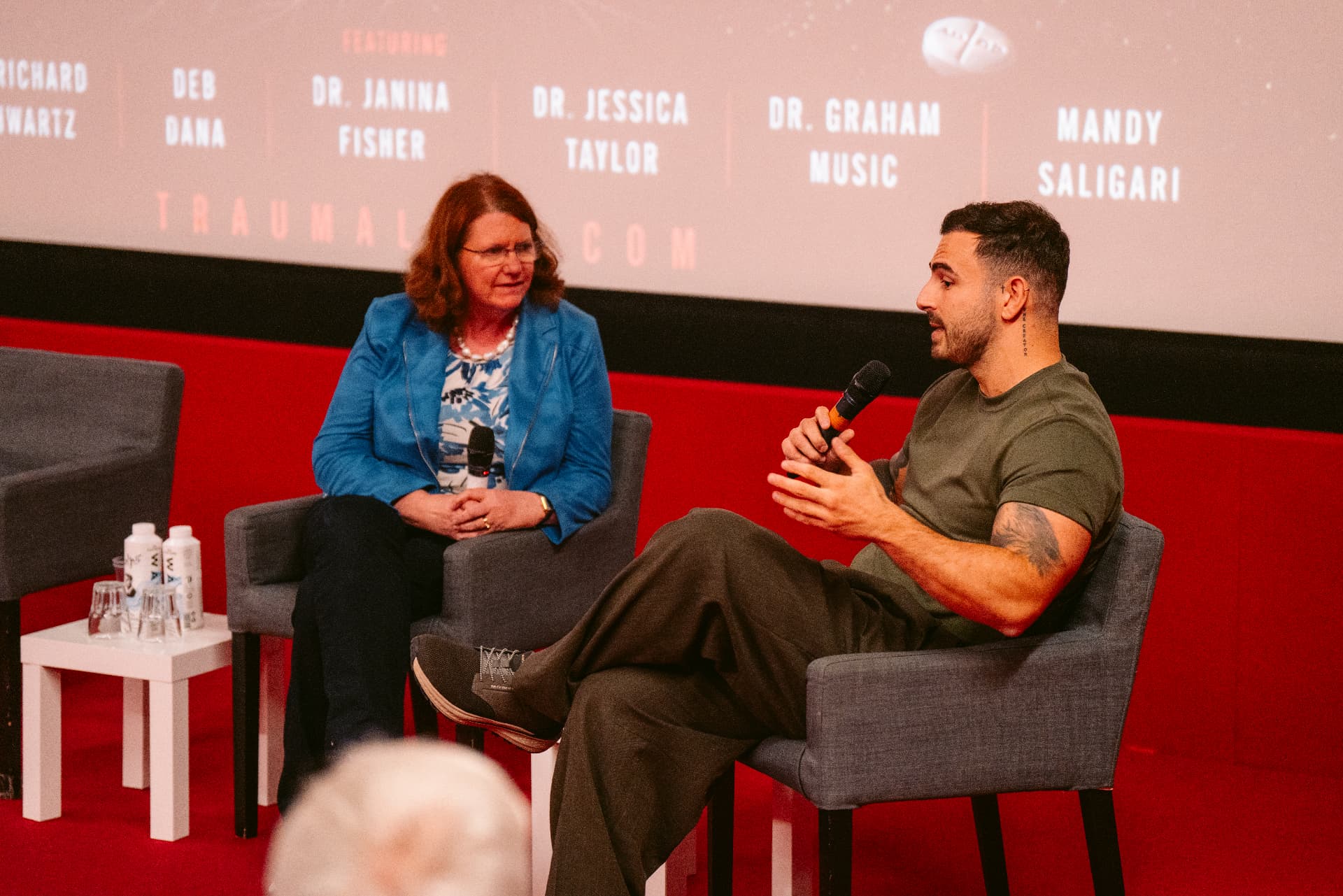
Paddy Creedon, watching the film for the second time, spoke about the range of emotions it stirred. Drawing on his own experience of addiction, recovery and family relationships, he reflected on how difficulties travel through generations, including events that happened long before someone was born, and on how much family members carry alongside the person in recovery.
Running through it all was connection: being able to speak openly, to feel heard, and to have relationships where hard experiences can be acknowledged without judgement. It is the heart of what Silent Voices and Voices of Recovery set out to do, bringing unheard experiences into public awareness and into policy.
From awareness to change
The evening kept returning to one question: how do we turn awareness of trauma into real change? The panel questioned approaches to mental health that focus mainly on symptoms and diagnostic labels, without asking what may have led someone there.
During the audience discussion, an Irish senator who had come straight from evening votes spoke about how hard it is to move mental health policy beyond labels, and about the value of bringing lived experience into policymaking. She expressed interest in sharing TRAUMALITY with other decision-makers.
The conversation turned to Scotland, where a film about adverse childhood experiences was taken around the country and grassroots awareness helped build momentum for trauma-informed practice. Ton spoke about wanting to do something similar: bringing together people across Ireland, Scotland, Wales and England who are already doing this work, so it stops happening in isolation.
The power of lived experience
Some of the most powerful moments came when the room opened up. People shared deeply personal experiences of childhood adversity, mental health services and the struggle to find the right support. Others spoke about the frustration of working inside systems that do not always recognise the role of trauma. There was emotion, vulnerability and hope.
Behind every statistic, diagnosis or policy decision is a person with a story. Given the space to tell it, those stories challenge assumptions and open the door to change.
More than a film
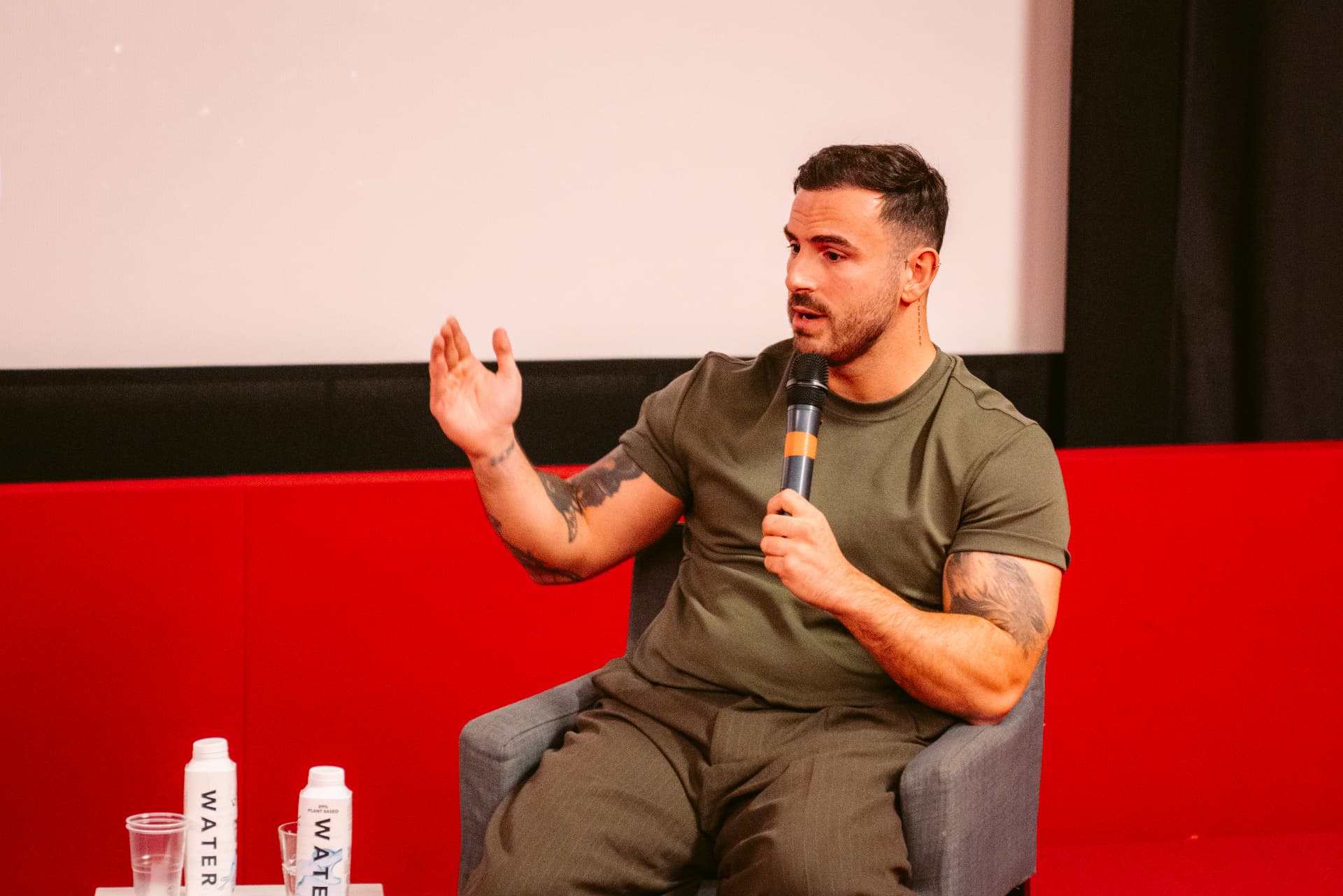
Ton spoke about his early hesitation in including his own story in the film, having long compared his childhood with experiences he saw as more severe. Through his own therapy he came to recognise that trauma cannot be measured by comparison with anyone else. Including his story turned the documentary into something more personal: an attempt to understand the roots of distress, not just the science and systems around it.
He closed by handing the question back to the room. It does not belong only to clinicians or policymakers. It lives in how we respond to a struggling child, the questions we ask someone in distress, and the homes, schools, workplaces and communities we build.
The most important question is: what now? What can we do now, in ourselves, to make a more trauma-informed society? We are better together, but we can still do it individually.
A heartfelt thank you to Alcohol Action Ireland for hosting the premiere, to Marion Rackard, Paddy Creedon and Dr Catriona O'Toole for sharing their perspectives, and to everyone who came, shared their experiences and took part.
TRAUMALITY was never meant to be just a film. It is a starting point for conversations, connections and, ultimately, action.
Watch online
See the film for yourself
Stream TRAUMALITY wherever you are. Your 7 days start when you press play, with subtitles in 23 languages.
Watch the filmHost a screening
Bring it to your community
Anyone can host a screening, in a local cinema, hall, workplace or living room. We provide the licence, the film and a discussion guide.
Host a screening0 comments
Join the conversation
Loading comments…