Friday 30 October 2026
Internal Family Systems Explained: Dr Richard Schwartz on Parts, Exiles and the Self
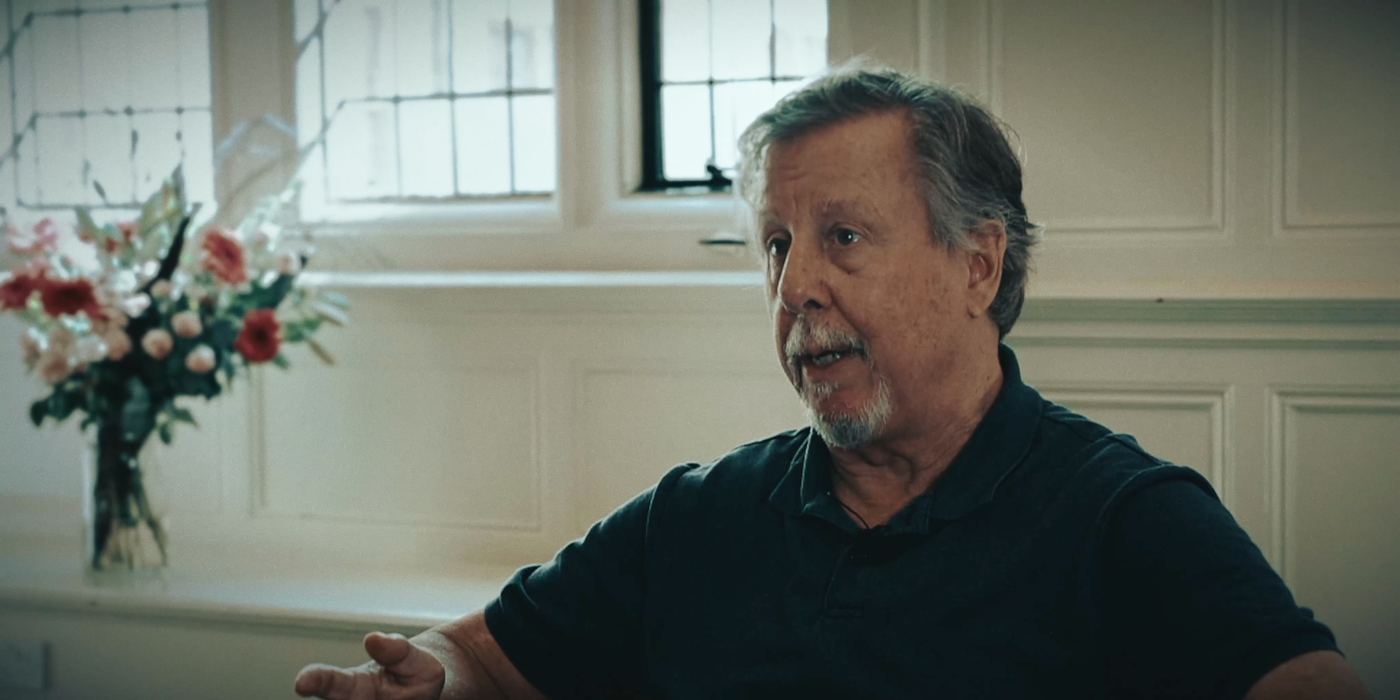
Internal Family Systems, usually shortened to IFS, has become one of the most talked-about approaches to trauma therapy. Its founder, Dr Richard Schwartz, sat down with director Ton Mazzone for the documentary TRAUMALITY to explain the model in his own words.
For Ton, the conversation was personal. In the film he describes IFS as one of the approaches that had a profound impact on his own healing journey. The scene below is taken directly from the documentary.

What is Internal Family Systems therapy?
IFS takes the position that every one of us has parts that we are born with. Each part has its own talents and qualities to help us in life. Trauma does not create these parts, but it can force them out of their naturally valuable states and into roles that can be damaging and create symptoms.
Many of them still live thinking you're still five years old, and they still have to protect you often in the same way they did back then. - Dr Richard Schwartz
Dr Schwartz describes how these parts also take on what he calls burdens: extreme beliefs and emotions that came into the system from the trauma and attached to them, almost like a virus.
Exiles: the parts we lock away
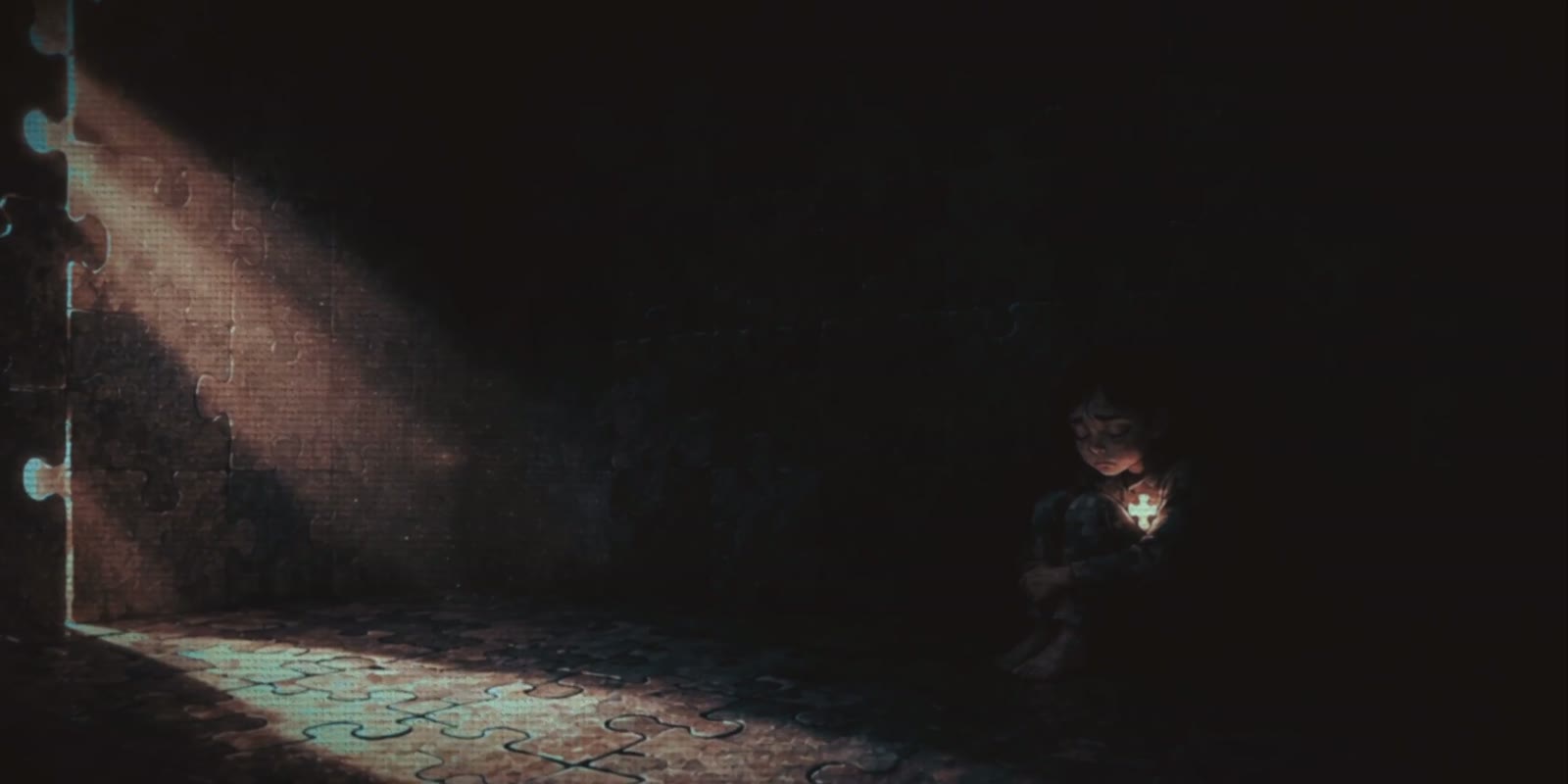
The most sensitive parts are often the ones that get hurt first. Once they carry painful emotions, they have the power to overwhelm us and pull us back into old scenes. So we tend to lock them away in an inner basement. IFS calls these parts exiles, and when they are exiled we lose access to their qualities too. It becomes hard to be playful, the world feels more dangerous, and many more things can trigger us.
Protectors: managers and firefighters
Other parts step in to keep the exiles from being triggered. Some manage our lives: keeping people at a distance, driving us to achieve so we never feel worthless, or acting as an inner critic. When the exiles do get triggered anyway, another set of parts deals with the emergency. These firefighters reach for impulsive fixes such as dissociation, substances or rage, anything to get away from the vulnerability.


- Exiles: young, sensitive parts carrying pain from the past
- Managers: parts that try to control life so the pain never surfaces
- Firefighters: parts that act fast when it does, through numbing, distraction or anger
The Self: curiosity instead of a fight
Dr Schwartz noticed that when other parts stepped back, clients would suddenly feel compassion for the part they had been fighting. When he asked what part of them that was, they would answer that it was not a part at all, it was themselves. In IFS this is the Self, and it leads the healing.
Instead of trying to control your drinking part, listen to what it's trying to keep you away from, and then honour it for its heroic service of trying to keep you safe. - Dr Richard Schwartz

Once released from their roles, parts transform back into their naturally valuable states. The aim is not to get rid of any part, but to let them trust the Self as a leader again.

Ton's own IFS session in the film
Straight after Dr Schwartz explains the model, TRAUMALITY moves from theory into practice. To show how this kind of therapy actually works, director Ton Mazzone filmed one of his first ever therapy sessions that used an IFS approach, condensed for the film.
With his eyes closed, Ton is guided through a body scan and finds a part he describes as a ball of energy in his centre: a part afraid of making a mistake. As the dialogue opens up, a younger part of around nine or ten years old comes forward. It simply wants to be seen and accepted for himself.
He's protecting the part that doesn't feel good enough. - from Ton's IFS session in TRAUMALITY
The session reveals how a protector formed early in life, pushing Ton to be the loudest person in the room and to hold impossibly high expectations of himself. It kept him safe once, but over time it began masking who he really was and feeding perfectionism. This is exactly the pattern Dr Schwartz describes: a part still acting as if Ton were a child who needed protecting.
Why it mattered in Ton's journey
For Ton, IFS was one of the approaches that had a profound impact on his healing. Rather than fighting his fear or criticising himself for it, he could get curious about what the fearful part was guarding, and offer the younger part the understanding it had been waiting for. Seeing that moment on screen is what makes the film's exploration of IFS feel lived rather than explained.
Read more about Ton and why he made TRAUMALITY. About Ton
How parts show up in everyday life
Most people already speak the language of parts without noticing. "Part of me wants to go, part of me wants to stay at home" is a small example. IFS takes those everyday phrases seriously and asks what each part is trying to do for us.
- The inner critic that tears into you after a small mistake, often a manager trying to stop you being rejected or shamed again
- Perfectionism and overworking, a part that believes you are only safe or loved when you achieve
- People-pleasing and never saying no, a part that learned keeping others happy kept conflict away
- Sudden rage over something minor, a firefighter reacting to an old wound that has just been touched
- Scrolling, bingeing, drinking or switching off, firefighters that numb a feeling before it can surface
- Freezing, going blank or feeling far away in a conversation, a protector stepping in when things feel too much
How IFS relates to mental health problems
IFS does not treat a diagnosis as a broken piece of the person. It treats many symptoms as the strategies of protective parts. Seen this way, anxiety can be a manager scanning constantly for danger. Depression can be a part that shuts everything down so the pain of an exile cannot break through. Addiction, self-harm and binge eating can be firefighters doing their urgent job of making a feeling stop.
This is why IFS is so often used alongside trauma work. It is applied with people living with PTSD and complex trauma, anxiety, depression, eating difficulties, addiction and relationship problems. The emphasis is on understanding why a symptom exists before trying to remove it.
There are no bad parts. - Dr Richard Schwartz
What actually happens in an IFS session
An IFS session is usually calm and curious rather than confrontational. A therapist helps the client notice a part, often as a feeling, a thought or a sensation in the body, and then get to know it.
- Find the part: notice where it shows up, in the body, as a voice or as an urge
- Focus and get curious: ask how you feel towards it, and gently ask other parts to step back if you feel angry at it or afraid of it
- Befriend it: ask what it is worried would happen if it stopped doing its job
- Meet the exile: with the protector's permission, get to know the younger part it has been guarding
- Witness and unburden: let that part show what happened, and release the beliefs and feelings it has carried ever since
- Invite the protectors to take on new roles once they no longer have to guard the pain
Many people also use the ideas on their own, for example by pausing when a strong reaction hits and asking: which part of me is this, and what is it afraid of? For deep trauma, though, IFS is best explored with a trained therapist, because meeting exiles can bring up a great deal.
How widely is IFS used?
Dr Schwartz developed IFS in the 1980s while working as a family therapist. What began as one clinician's model is now taught internationally. More than 7,600 practitioners worldwide have trained through the IFS Institute, which runs the official certification pathway, and it reports training close to 4,000 new providers a year, up from around 500 in 2017. There is no reliable count of how many clients have been helped by it, but the model is now used in therapy rooms, hospitals and retreats across North America, Europe and beyond, and its books and podcasts reach millions more.
The research base is still young. Early studies, including trials with people living with PTSD and with rheumatoid arthritis, have shown encouraging results, and in 2015 the model was listed on the US national register of evidence-based programmes. Larger trials are still needed, and IFS sits best as one part of a wider, trauma-informed picture.
Where IFS fits in TRAUMALITY
TRAUMALITY explores the link between trauma and mental health with 22 leading voices in the field, including Dr Peter Levine, Deb Dana, Janina Fisher and Dr Richard Schwartz. Straight after this scene, the film shows one of Ton's own early therapy sessions that used an IFS approach.
See the full conversation, and the IFS session that follows it, in the complete documentary. Watch TRAUMALITY
Bring the film to your team, community or friends. Anyone can host a screening. Host a screening
Watch online
See the film for yourself
Stream TRAUMALITY wherever you are. Your 7 days start when you press play, with subtitles in 23 languages.
Watch the filmHost a screening
Bring it to your community
Anyone can host a screening, in a local cinema, hall, workplace or living room. We provide the licence, the film and a discussion guide.
Host a screening0 comments
Join the conversation
Loading comments…